
Under review: Steve is currently reviewing this article. The full content remains available while it is fact-checked, and some details may change.

Dog-Friendly Beaches and Parks in the Florida Keys
By Steve Conley
Executive Summary
Planning a trip to the Florida Keys with your dog? You don't have to leave your four-legged travel companion behind to enjoy the islands.
The Keys offer dog-friendly parks, walking areas, outdoor recreation and selected beaches where dogs are permitted. From Key West's small Dog Beach to community parks throughout Monroe County, there are several ways to enjoy the outdoors with your pet.
However, not every Florida Keys beach allows dogs, and pet rules differ between county parks, city beaches and state parks. Before heading out, check the current rules for your destination.
Here are some places to consider when exploring the Florida Keys with your dog.
1. Key West Dog Beach — Key West
Best for: Dogs who enjoy the sand, shoreline and splashing in the water.

Key West Dog Beach is one of the best-known places in the Florida Keys for dogs to enjoy the shoreline.
This small beach provides an opportunity for dogs and their owners to enjoy the water together. Unlike most Florida State Park beaches, this designated dog-friendly beach is intended for visitors bringing their pets.
Because it is relatively small, space may be limited during busy periods. Keep your dog under control, respect other beachgoers and watch for posted rules.
Why visit: If your dog loves the beach, this is one of the first places to consider when visiting Key West.
Location: Near the intersection of Vernon Avenue and Waddell Avenue, Key West.
Resources:
2. Higgs Beach Dog Park — Key West
Best for: Local dog owners and visitors staying in Key West.
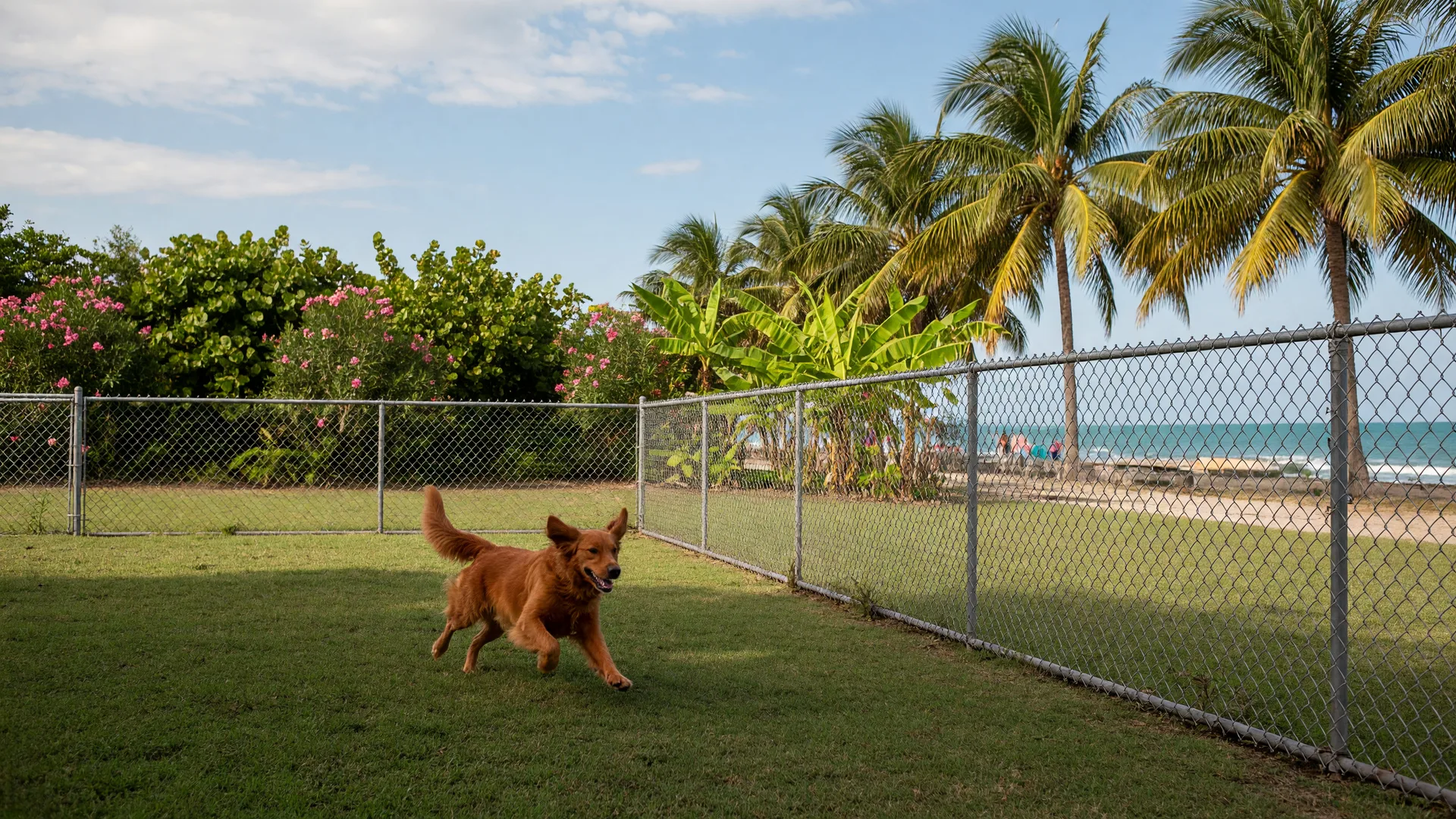
Higgs Beach is a popular public recreation area in Key West, and the adjoining dog park gives pet owners a designated place to exercise their dogs.
It's a practical option if you're staying nearby and want to include some outdoor time in your daily routine.
As with any dog park, supervise your pet, bring water and follow posted rules. Check the current facility information before visiting, particularly if you're looking for a fenced area or specific amenities.
Why visit: This is a convenient option for dog owners who want a dedicated dog exercise area rather than a traditional beach visit.
Location: Higgs Beach area, Key West.
Resource: Monroe County Parks and Beaches.
3. Watson Field and Big Pine Key Dog Park — Big Pine Key
Best for: Dogs needing room for exercise and residents exploring the Lower Keys.

Big Pine Key offers a quieter setting than the busier tourist areas of Key West. Watson Field and Big Pine Key Dog Park are listed among Monroe County's community recreation facilities.
For residents and visitors staying in the Lower Keys, a local dog park can be a useful alternative to driving to a beach.
Check the current facility details for access, amenities and posted pet rules before making the trip.
Why visit: Consider this option if you're staying around Big Pine Key and want a place to exercise your dog without planning a full beach outing.
Location: Big Pine Key.
Resource: Monroe County Parks and Beaches.
4. Monroe County Community Parks — Options Throughout the Keys
Best for: Leashed walks, outdoor recreation and everyday exercise.

You don't always need to visit a beach to enjoy the outdoors with your dog.
Monroe County Parks and Beaches manages public recreation areas throughout the island chain. Its facilities include community parks, picnic areas and other outdoor spaces.
Examples include Friendship Park in Key Largo, Old Settlers Park in Tavernier, Big Pine Key Community Park and Bernstein Park on Stock Island.
Monroe County allows leashed pets at its parks, with owners responsible for cleaning up after them. However, individual facilities may have different amenities and restrictions, so check the official directory before visiting.
Why visit: Community parks are useful for short walks, exercise and outdoor time when you want a break from sightseeing.
Resource: Official Monroe County Parks and Beaches Directory.
5. Sombrero Beach — Marathon
Best for: Beach outings with the family, subject to local pet rules.

Sombrero Beach is one of Marathon's best-known public beaches, with sandy shoreline, palm trees and a relaxed coastal setting.
However, do not assume that dogs are permitted on the main beach. Beach rules can differ from those at nearby parks and walking areas.
If you're planning to visit Sombrero Beach with your dog, verify the current rules with the City of Marathon before going. If pets aren't permitted in your intended area, choose a designated dog park or another location that expressly allows them.
Why visit: Sombrero Beach is worth considering for a family beach outing, but pet owners should verify access before including it in their itinerary.
Resource: City of Marathon.
6. Other Florida Keys Parks for Walking With Your Dog
Many Florida State Parks allow leashed pets on designated trails, picnic areas and certain other permitted areas. However, state parks generally prohibit pets on beaches, in swimming areas and in some other facilities.
If you're planning to visit a state park such as John Pennekamp Coral Reef State Park, Bahia Honda State Park or Curry Hammock State Park, check its individual pet policy first.
Don't assume your dog can accompany you on a beach, boardwalk, boat tour or swimming excursion simply because the park allows pets elsewhere.
Official resources:
- Florida State Parks — Pet Policy
- Florida State Parks — Frequently Asked Questions
- Florida Keys Tourism — Bringing Pet Pals
Quick Comparison: Where Can You Take Your Dog?
| Location | Best use | Important consideration |
|---|---|---|
| Key West Dog Beach | Beach time with your dog | Follow local beach rules |
| Higgs Beach Dog Park | Dedicated dog exercise area | Check current facility access |
| Watson Field and Big Pine Key Dog Park | Dog exercise in the Lower Keys | Verify amenities and hours |
| Monroe County community parks | Leashed walks and outdoor recreation | Individual park restrictions apply |
| Sombrero Beach | Family beach outing | Verify current dog restrictions |
| Florida State Parks | Trails and designated recreation areas | Dogs generally cannot enter beaches or swimming areas |
Tips for Visiting the Florida Keys With Your Dog
Keep Your Dog Leashed Where Required
Monroe County requires dogs to be leashed and under their owners' direct control in public places. Follow posted restrictions and any additional rules at individual facilities.
Bring Plenty of Fresh Water
The Florida Keys can be hot and humid. Bring drinking water, take breaks in the shade and avoid strenuous activity during the hottest part of the day.
Never Leave Your Dog in a Parked Car
Vehicle temperatures can rise quickly in subtropical weather, even when windows are cracked. Take your pet with you when leaving the vehicle, or make arrangements that keep your dog safely supervised.
Protect Local Wildlife
The Keys are home to sensitive coastal habitats, nesting shorebirds and sea turtles. Keep your dog away from wildlife, follow posted signs and never allow it to disturb nesting areas.
Confirm Pet Policies Before You Go
A restaurant, park, attraction or beach may change its pet rules. Contact the operator or check its official website before planning your visit.
Are the Florida Keys a Good Place to Live With a Dog?
The Florida Keys can appeal to dog owners who enjoy outdoor recreation, waterfront walks and a relaxed coastal lifestyle. However, the best community for you and your pet depends on your everyday needs.
When considering a move, look at:
- Nearby dog parks and walking routes.
- Access to veterinary clinics and pet services.
- Shade, sidewalks and safe walking areas.
- Rental or homeowners association pet restrictions.
- Whether your preferred beaches and outdoor destinations allow dogs.
- The practical effects of heat, storms and flood exposure on your home and routine.
Key West offers urban-style amenities and dedicated dog areas, while communities throughout the Upper, Middle and Lower Keys offer different combinations of parks and residential settings.
Explore the area before deciding where to live, and consider how often you'll use the local outdoor spaces rather than choosing a home based solely on vacation appeal.