
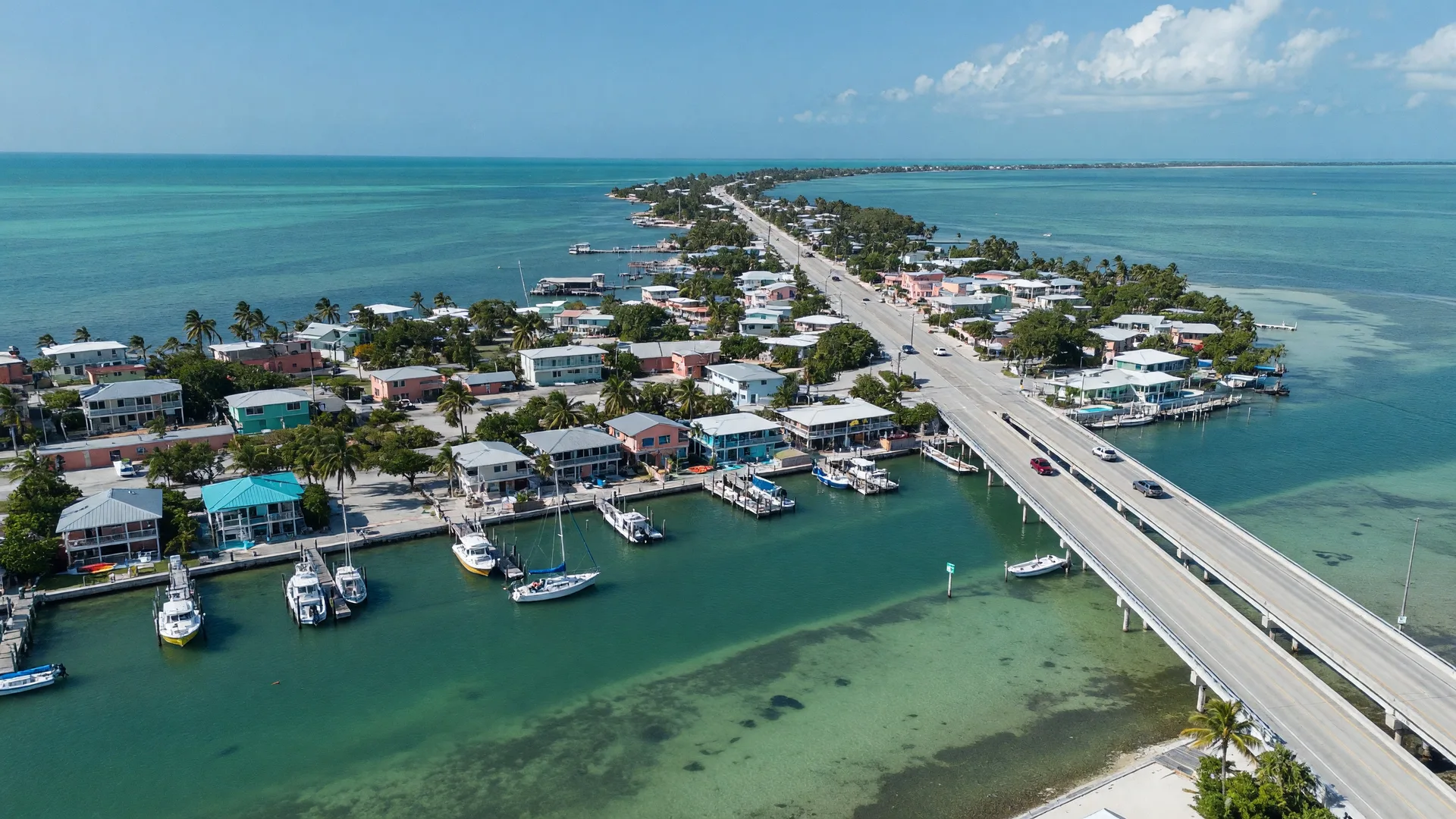
What Could Islamorada's Updated Development Plan Mean for Future Housing?
By Conley Group Florida · November 11, 2026
Islamorada is taking a closer look at how it grows, where future housing could be accommodated and how development can support the people who live and work in the village.
An updated comprehensive plan, discussed by village officials and planning consultants in September and covered by Keys Weekly on October 9, 2026, places greater emphasis on affordable and workforce housing while addressing traffic congestion, environmental protection, public amenities and the preservation of Islamorada's distinctive character.
For homebuyers, homeowners and real estate investors, the update raises an important question: How could Islamorada's future planning decisions affect housing opportunities and neighborhood development?
The answer depends on how the plan's goals are translated into policies, regulations, funding and individual project approvals. Here's what to understand.
1. Why Is Islamorada Focusing on Housing?
Housing affordability has become a significant challenge in communities throughout the Florida Keys, where high property values and limited developable land can make it difficult for local workers to live near their jobs.
According to Keys Weekly's October 9 report, the share of people working in Islamorada who commute into the village increased from approximately 70% in 2012 to 80% in 2022.
The updated plan seeks to address this challenge by giving greater priority to affordable and workforce housing.
Workforce housing generally refers to housing intended for people whose incomes may make it difficult to afford homes or rentals in the local market. Depending on the program, eligible residents may include hospitality employees, teachers, healthcare workers and other members of the local workforce.
The goal is not simply to add housing. It is to explore ways to help the people who keep the community operating live closer to their workplaces.
2. Could Islamorada See More Mixed-Use Development?
One idea discussed in the updated plan involves mixed-use buildings that combine commercial space with housing.
For example, a building along U.S. 1 might accommodate a small business on the ground floor and workforce housing on an upper floor.
This approach could allow some properties to serve more than one purpose while creating additional housing opportunities in appropriate locations.
Potential benefits include:
- More housing options for local workers.
- Additional opportunities for businesses to recruit employees.
- Better integration of housing and commercial activity.
- Potentially shorter commutes for some workers.
- More efficient use of suitable sites.
However, these are planning objectives, not guaranteed outcomes. The feasibility of a particular project depends on zoning, building regulations, infrastructure capacity, environmental requirements, financing and the applicable approval process.
The plan does not mean every existing commercial property can automatically add residential units.
3. What Does the Plan Mean for Neighborhood Development?
The comprehensive plan considers more than housing. It also addresses how people move around the village, how public spaces are maintained and how development can protect the area's natural environment.
According to Keys Weekly, other goals include improving pedestrian and cycling safety, addressing drainage and stormwater management, enhancing public boat ramps and beaches, and protecting sensitive lands.
The plan also identifies potential improvements to the Morada Way Arts & Cultural District, including an entryway and streetscape treatments.
These priorities matter because neighborhood appeal depends on more than the homes themselves. Access to public amenities, safe streets, environmental quality and the availability of everyday services all contribute to the experience of living in a community.
Whether these ideas become funded improvements will depend on future decisions, project planning and available resources.
4. How Could the Plan Affect Property Values?
The relationship between planning decisions and property values is complex.
Over time, changes in housing availability, infrastructure, public amenities and development regulations may influence how buyers evaluate a neighborhood. However, the comprehensive plan alone does not establish that home prices will rise or fall.
Several potential effects are worth monitoring.
Housing availability: Additional workforce housing, if implemented, could help some local employees find housing closer to work. The effect on the broader housing market would depend on the number, type and affordability of the units delivered.
Neighborhood amenities: Improvements to walkability, public spaces, drainage or community facilities could affect neighborhood appeal, although the impact would vary by location and execution.
Development regulations: Future changes to land-use rules could affect what is permitted on particular parcels. Buyers and owners should verify the actual rules that apply to a property rather than relying on the broad goals of the plan.
Environmental protections: Measures to protect sensitive lands and coastal resources may affect where and how development can occur.
For buyers and sellers, the practical takeaway is to distinguish between a planning objective, an adopted regulation and a project that has received the required approvals.
5. Does the Plan Mean New Construction Is About to Begin?
Not necessarily.
A comprehensive plan establishes a policy framework for future growth and public investment. It is not the same as a building permit or final approval for an individual development.
A project may still need to satisfy zoning requirements, site-plan review, building codes, environmental rules, infrastructure requirements and other applicable approvals.
The plan's housing objectives may also depend on funding, partnerships and the availability of suitable land.
Before assuming that a proposed development will move forward, check its status with the village and review the applicable project records.
Official resource: Islamorada Planning and Development - Ongoing Projects.
6. What Should Homebuyers and Property Owners Watch?
If you're considering buying or selling in Islamorada, follow the planning process rather than relying on headlines alone.
Here are five practical steps:
- Review the comprehensive plan. Understand the village's stated priorities and the areas of planning being considered.
- Check parcel-specific zoning. Confirm the permitted uses and development restrictions that apply to the property you're considering.
- Monitor proposed land-use changes. Future amendments may affect development opportunities, but proposals should not be treated as final rules.
- Review infrastructure and environmental constraints. Flood exposure, drainage, evacuation considerations and environmental protections can affect the feasibility and cost of development.
- Verify project approvals. Before making a decision based on a nearby proposed development, check its current status with the village.
For vacant land, redevelopment opportunities or investment properties, consider consulting qualified local planning, legal and engineering professionals before relying on assumptions about future development.
7. Where Can You Read the Official Plan?
Islamorada provides official resources for reviewing the comprehensive plan update and ongoing planning projects.
Start here:
- Islamorada - Planning and Development Projects
- Islamorada - Download the Comprehensive Plan
- Plan Islamorada - Comprehensive Plan Update
For the original news report, read Keys Weekly's coverage of Islamorada's updated comprehensive plan.
The Bottom Line
Islamorada's updated comprehensive plan places greater emphasis on workforce and affordable housing while addressing transportation, environmental protection and public amenities.
For real estate buyers and homeowners, the update is worth following because future planning decisions can influence housing options, neighborhood improvements and the way individual properties may be developed.
But the plan should be viewed as a guide to future decisions, not a promise that particular projects will be built or property values will change.
Before buying land, investing in a property or making assumptions about a neighborhood's future, verify the applicable zoning, development approvals and infrastructure requirements.
At Conley Group Florida, understanding the local planning process is one more way to make informed decisions about real estate in the Florida Keys.
FAQs
Frequently Asked Questions
Why is Islamorada focusing on affordable and workforce housing?
Could Islamorada see more mixed-use development?
What does the plan mean for neighborhood improvements?
Does the plan mean new construction is about to begin?
Resources / Helpful Guides
Resources / Helpful Guides
- Islamorada - Planning and Development Projects Official village resource for ongoing planning projects in Islamorada.
- Islamorada - Download the Comprehensive Plan Download the official Islamorada comprehensive plan update.
- Plan Islamorada - Comprehensive Plan Update The Plan Islamorada site for the village's comprehensive plan update.
- Keys Weekly - Guiding Islamorada's Future Keys Weekly's coverage of Islamorada's updated comprehensive plan prioritizing housing.
Ready to Take the Next Step?
Planning decisions can shape what a property is worth and what you can do with it. Steve can help you research zoning, development potential and approvals before you buy or sell in Islamorada or anywhere in the Florida Keys.
We are committed to compliance with all federal, state, and local fair housing laws. We do not discriminate against any person because of race, color, religion, sex, national origin, familial status, or disability. Equal Housing Opportunity.