
Canal Homes Florida Keys: The Complete Buyer's Guide
Key Takeaways
- Controlling depth, bridge clearances, and canal width determine whether your boat can actually reach open water. Measure the entire route, not just the water behind the house.
- Seawall failure is an expensive nightmare. Replacement runs $300 to $600 per linear foot. Inspect for cap cracking, tie-back failure, and toe scour before closing.
- Canal configurations vary dramatically from the Upper Keys to the Lower Keys. Venetian Shores offers deep, rock-cut canals, while the Lower Keys feature winding natural water paths and varying depths.
- You need a marine contractor for due diligence, not a standard home inspector. Dive the seawall, test controlling depths at dead-low tide, and verify deed restrictions and HOA rules.
Buying a home in the Florida Keys is the ultimate goal for anglers, divers, and boaters. However, buying a canalfront property requires a completely different strategy than standard mainland real estate. In the Keys, two homes that look completely identical can trade for millions of dollars apart based entirely on what lies beneath the waterline. To avoid buying a beautiful home with a dock your boat cannot safely reach, you must master the unique mechanics of the Florida Keys canal system.
1. The Essential Boating Metrics (The Water Comes First)
When you tour a canal home, your primary focus should not be the interior finishes. Your priority must be water depth, clearance heights, and navigation times. Missing even one of these metrics can leave your vessel stranded at low tide or trapped behind concrete spans.
- Controlling Depth: This is the shallowest point between your private dock and the open ocean or gulf. A canal may be 8 feet deep at your seawall, but if the mouth of the channel drops to 2 feet at low tide, your vessel's draft is restricted. Always measure the entire route, not just the water behind the house.
- Bridge Clearances: Fixed bridges are the ultimate roadblock. If a property sits behind a bridge with a 10-foot clearance, you cannot own a boat with a high T-top, flybridge, or tuna tower. Check local clearance charts for critical passages like the Bow Channel or Kemp Channel Bridge.
- Canal Width and Turning Radius: Ensure large center consoles or twin-inboard vessels can safely back in, turn around, and maneuver without hitting neighbors' docks or vessels. Tight, narrow channels can make docking in high winds incredibly stressful.
- Idle Times and Manatee Zones: Some canal networks are vast and winding. If your home sits deep inside a system, it could take 20 to 30 minutes of strict "no-wake" idling just to reach open water, severely cutting into your time on the reef.
2. Regional Canal Anatomy: Upper, Middle, and Lower Keys
Canal configurations and water access change dramatically as you drive down the Overseas Highway. Each region offers distinct advantages depending on your style of boating.
The Upper Keys (Key Largo to Islamorada)
This region is famous for deep, rock-cut canals and immediate access to deep Atlantic drop-offs and the reef line.
- Venetian Shores (Plantation Key): The gold standard for deepwater boating, featuring wide canals, excellent controlling depths, and quick, bridge-free access to Snake Creek.
- Kahiki Harbor (Tavernier): Highly protected canal systems tucked away near Tavernier Creek, perfect for navigating to both the Atlantic and the Florida Bay.
Learn more about what makes this area special in our Key Largo and Islamorada community guides.
The Middle Keys (Marathon & Key Colony Beach)
The Middle Keys offer a balanced mix of planned resort communities and entry-level options with wide mixed-use basins.
- Key Colony Beach: Highly organized, clean canal networks. This area features popular half-duplex configurations with concrete seawalls and standardized dockage allotments (typically 30 to 37.5 feet).
- Grassy Key: Offers a more relaxed, old-Keys vibe. Canals here are excellent for shallow-draft flats boats and represent a lower entry price point.
See our Marathon community guide for more Middle Keys insights.
The Lower Keys (Big Pine Key down to Key West)
The Lower Keys feature winding, natural water paths, varying depths, and expansive pine-lined terrain.
- Summerland Cove: Exceptional deepwater access via the Kemp Channel, making it perfect for larger center consoles and sportfishers.
- Cudjoe Gardens (Cudjoe Key): Renowned for its extra-wide, exceptionally clean, and well-maintained concrete canal networks that offer excellent depths.
Explore our Big Pine Key and Lower Keys guides for more details on this region.
3. Marine Infrastructure: The Million-Dollar Seawall
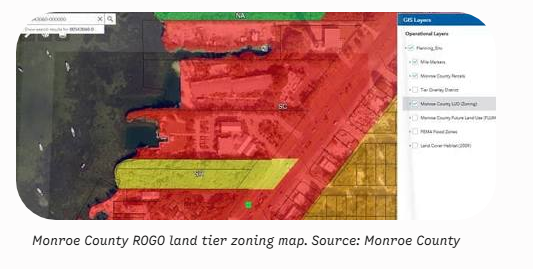
In the Florida Keys, seawall failure is an incredibly expensive engineering nightmare. Standard vinyl or composite seawall replacement runs $300 to $600 per linear foot in mild conditions. However, full replacement in the Keys regularly runs $650 to $1,000+ per linear foot for heavy-duty concrete bulkheads or sites requiring bedrock drilling, barge access, and environmental permitting from DEP and the U.S. Army Corps of Engineers.
- Seawall Types: Look for vertical concrete bulkheads or modern composite (vinyl/fiberglass) piling sheets. Avoid unfortified, natural limestone banks, which degrade and erode rapidly under heavy boat wakes.
- Cap Cracking: Look closely at the top concrete beam. Heavy fractures, exposed rebar, or rusted stains indicate severe structural tension and imminent failure.
- Tie-Back Failure: Inspect the yard directly behind the seawall cap. Depressions, sudden sinkholes, or dipping soil 5 to 15 feet behind the wall indicate that dirt is washing out through underwater gaps.
- Toe Scour: Strong tidal currents can erode the mud-line base at the bottom of the wall. This requires a professional dive inspection to verify structural stability.
- Boat Lifts and Davits: Look for pre-installed motorized lifts (7,000 to 20,000-pound capacities). Installing these after closing requires strict environmental permitting and expensive electrical work.
For more on what to look for in a waterfront property, read my guide on 5 Things to Know Before Buying Waterfront in the Keys.
4. Current Market Realities and Development Caps
The Florida Keys real estate market operates under strict growth management frameworks, historically driven by the Rate of Growth Ordinance (ROGO) and building permit caps. Because new construction is severely restricted, existing canal homes remain highly insulated from mainland inventory gluts.
Important Nuance: ROGO primarily applies to building on vacant lots or adding new residential units. Purchasing an existing canal home with a valid Certificate of Occupancy allows for renovation or a like-for-like rebuild without waiting for a new ROGO allocation. This is a key distinction for buyers comparing existing homes versus vacant land.
- Value Tier ($700,000 - $1,100,000): Found primarily in Grassy Key or parts of the Lower Keys. These properties are often modular or stilt-frame homes on shallow or narrow canals, best suited for skiffs, bay boats, and jet skis.
- Mid Tier ($1,200,000 - $2,200,000): Standard concrete stilt homes with 50+ feet of concrete frontage, fair controlling depths, and quick access to standard ocean channels.
- Luxury Tier ($2,500,000 - $5,000,000+): Located in premier tracts like Venetian Shores. These feature expansive layouts, wide deepwater canals, zero bridge restrictions, and the ability to dock large yachts or sportfishing vessels.
Understanding market tiers is essential. Read our complete buying guide for step-by-step purchasing advice and our selling guide if you are preparing to list a canal property.
For a broader view of which Keys community fits your lifestyle, see our Where to Live in the Florida Keys town guide and our comprehensive Ultimate Guide to Waterfront Homes in the Florida Keys.
5. ROGO Deep Dive: How Monroe County's Rate of Growth Ordinance Works
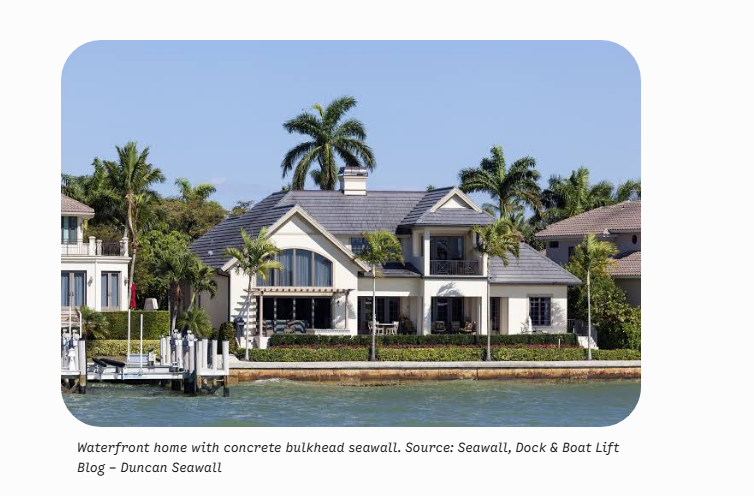
ROGO was enacted in 1992 as a growth management system mandated by the State of Florida. Because the Florida Keys are connected by a single primary highway (US-1), state law caps overall development based on hurricane evacuation clearance times, which must remain under 24 hours.
How ROGO Affects Waterfront Buyers
- Existing Homes (Exempt from ROGO): If you purchase an existing home with an established Certificate of Occupancy (CO), you do not need to go through the ROGO allocation process. You can live in, rent, or remodel the structure under standard building permits.
- Vacant Waterfront Lots (ROGO Required): Buying a vacant canal or waterfront lot requires a ROGO building allocation permit before constructing a residential home. Because remaining permits are capped and issued via a competitive point system, waiting on the ROGO queue can take years, sometimes over a decade.
- Tier System Impact: Monroe County categorizes land into Tiers (Tier I is environmentally sensitive and hardest to build; Tier III is infill and easier to build). Waterfront lots in Tier I or environmentally sensitive areas face strict clearing and habitat restrictions.
- Property Value Floor: Because ROGO strictly bottlenecks new housing inventory, built waterfront homes hold their market value exceptionally well.
6. Seawall Permitting and Marine Infrastructure Rules
Maintaining, replacing, or expanding a marine structure (seawalls, docks, boat lifts, dredging) in the Florida Keys is heavily regulated due to delicate marine ecosystems, coral habitats, and federally protected species like manatees and sea turtles.
Multi-Agency Approval Required
Unlike mainland Florida where a local building department might handle seawall repair, working on a Keys seawall or dock requires permits from up to three distinct agencies:
- Monroe County / Local Municipality (Key Largo, Marathon, Islamorada, Key West, etc.)
- Florida Department of Environmental Protection (FDEP)
- U.S. Army Corps of Engineers (USACE)
Practical Impacts for Buyers
- Timeline Delays: Routine seawall repairs can take 3 to 6+ months for permit approval. Major replacements or dock extensions involving submerged land leases can take 6 to 12+ months.
- Footprint Limitations: In most cases, regulatory agencies only permit replacing a seawall in-place or directly adjacent to the existing bulkhead. Expanding out into the water channel is restricted to protect water depth and natural marine bottom.
- Pre-Existing Non-Conforming Docks: Older docks or boat lifts built before strict permitting rules may be "grandfathered." However, if a storm destroys them or you attempt a major overhaul, you must bring the structure up to current environmental code, which may reduce the allowed boat dockage footprint.
- Cost Multipliers: Due to specialized marine contractors, barge access requirements, and environmental compliance, seawall replacement in the Keys regularly costs $650 to $1,000+ per linear foot.
7. Buyer Due Diligence Checklist for Waterfront Properties
Before closing on a waterfront property, verify these critical items to avoid costly surprises.
| Item | Action |
|---|---|
| Verify CO and ROGO Status | Ensure the home has a documented, active Certificate of Occupancy with Monroe County. |
| Review Permit History | Verify that existing docks, boat lifts, and seawall additions were fully permitted with FDEP/USACE. |
| Order Marine Inspection | Hire a licensed marine contractor to dive the seawall to identify structural tie-back or toe scour issues before closing. |
| Check Submerged Land Lease | If the dock extends beyond standard lot lines into public state waters, verify if an annual Sovereign Submerged Lands Lease is required. |
8. The Ultimate Buyer's Due Diligence Checklist
Never buy a Florida Keys canal home based on a high-tide viewing. Follow this strict checklist before closing escrow:
- Hire a Marine Contractor: Do not rely on a standard home inspector to evaluate the waterfront. Hire a licensed marine contractor to dive the seawall and inspect the dock pilings.
- Run a Low-Tide Test: Rent or bring a boat with a similar draft to your own. Physically navigate the channel at dead-low tide to verify true controlling depths.
- Verify Deed and HOA Rules: Check for historic dock footprint restrictions, local liveaboard bans, and strict municipal vacation rental ordinances.
Conclusion
What looks like a boater's paradise at high tide can become an expensive logistical trap just a few hours later. Do your homework, check your drafts, and secure your piece of the Keys the right way.
Ready to start your canal home search? Contact me here or call (305) 393-5859. With over 30 years of experience and more than $1.4 billion in career sales, I bring the marine infrastructure knowledge and construction expertise you need to buy with confidence.
Sources cited in this guide: Coldwell Banker Schmitt Real Estate Reports (market trend reports, inventory shifts, ROGO data); Alina Davis Real Estate Blog (luxury housing divergence analysis); Kelsey Caputo Neighborhood & Boating Guide (Upper Keys infrastructure details); Stacey Pillari's Summerland Key Canal Guide (seawall inspection criteria); Florida Keys Real Estate Group Guide (Middle Keys canal basins); Ally Kelley Marathon Canal Depth Guide (controlling depth and low-tide navigation); NOAA Office of Coast Survey (tide tables, bridge heights, marine clearance data); U.S. Army Corps of Engineers (navigational data).
Frequently Asked Questions About Canal Homes in the Florida Keys
What is controlling depth and why does it matter for canal homes?
Controlling depth is the shallowest point between your private dock and open water. A canal may be deep at your seawall, but if the channel mouth drops to just 2 feet at low tide, your boat's draft is effectively capped at that depth. Always measure the full navigation route, not just the water behind the house. Hiring a marine contractor to run a low-tide depth test is the only way to verify true controlling depths before closing.
How much does it cost to repair or replace a seawall in the Florida Keys?
Seawall replacement in the Keys typically runs $300 to $600 per linear foot, meaning a standard 100-foot canal-front lot can cost $30,000 to $60,000. Repairs for cap cracking, tie-back failure, or toe scour add additional expense. A marine contractor dive inspection during your due diligence period is the only way to avoid inheriting a structural liability. Look for vertical concrete bulkheads or modern composite piling sheets, and avoid natural limestone banks that erode rapidly under boat wakes.
What are the best canal neighborhoods in the Upper Keys for deepwater boat access?
Venetian Shores on Plantation Key is widely considered the gold standard for deepwater boating, featuring wide rock-cut canals, excellent controlling depths, and bridge-free access to Snake Creek. Kahiki Harbor in Tavernier offers well-protected canals near Tavernier Creek, providing easy navigation to both the Atlantic and Florida Bay. For more on these and other communities, see our Key Largo and Islamorada community guides.
What are the price tiers for canal homes in the Florida Keys?
Canal homes generally fall into three tiers. The Value Tier ($700,000 to $1,100,000) is found in areas like Grassy Key, with modular or stilt-frame homes on shallow canals suited for skiffs and bay boats. The Mid Tier ($1,200,000 to $2,200,000) offers concrete stilt homes with 50+ feet of frontage, fair depths, and standard ocean access. The Luxury Tier ($2,500,000 to $5,000,000+) sits in premier tracts like Venetian Shores with wide deepwater canals, no bridge restrictions, and the ability to dock large yachts or sportfishers. Read our buying guide for more on the purchase process.
Do I need a marine contractor inspection for a canal home, or is a standard home inspector enough?
A standard home inspector is not sufficient for evaluating canal-front properties. You need a licensed marine contractor to dive the seawall, inspect dock pilings, check for tie-back failure and toe scour, and verify the structural integrity of the bulkhead. As a Florida-licensed contractor and home inspector myself, I evaluate these factors during showings to help my clients avoid expensive surprises. Contact Steve at (305) 393-5859 to discuss your canal home search.
Helpful Resources & Related Guides
Internal Resources
External Resources
- Florida Realtors
- Zillow
- Realtor.com
- Monroe County Government
- NOAA
- U.S. Army Corps of Engineers
- Monroe County Government ROGO/NROGO System & Land Development Code
- NOAA Office of Coast Survey Nautical Charts
- U.S. Army Corps of Engineers Jacksonville District Regulatory Division
- Florida Department of Environmental Protection Coastal Permitting
Conley Sales Group is a real estate Team affiliated with Compass. Compass Florida, LLC d/b/a Compass is a licensed real estate broker and abides by equal housing opportunity laws. All material presented herein is intended for informational purposes only. Information is compiled from sources deemed reliable but is subject to errors, omissions, changes in price, condition, sale, or withdrawal without notice. No statement is made as to the accuracy of any description. All measurements and square footage are approximate. This is not intended to solicit property already listed. Nothing herein shall be construed as legal, accounting or other professional advice outside the realm of real estate brokerage.

Steve Conley
Principal, Conley Sales Group at COMPASS · License #3232648
Thinking About Buying or Selling in the Florida Keys?
Whether you're buying your first waterfront home, selling a luxury property, or simply want to know what your home is worth, I'm here to help. As a local Compass REALTOR, I provide expert guidance, market insights, and personalized advice throughout the Florida Keys.