
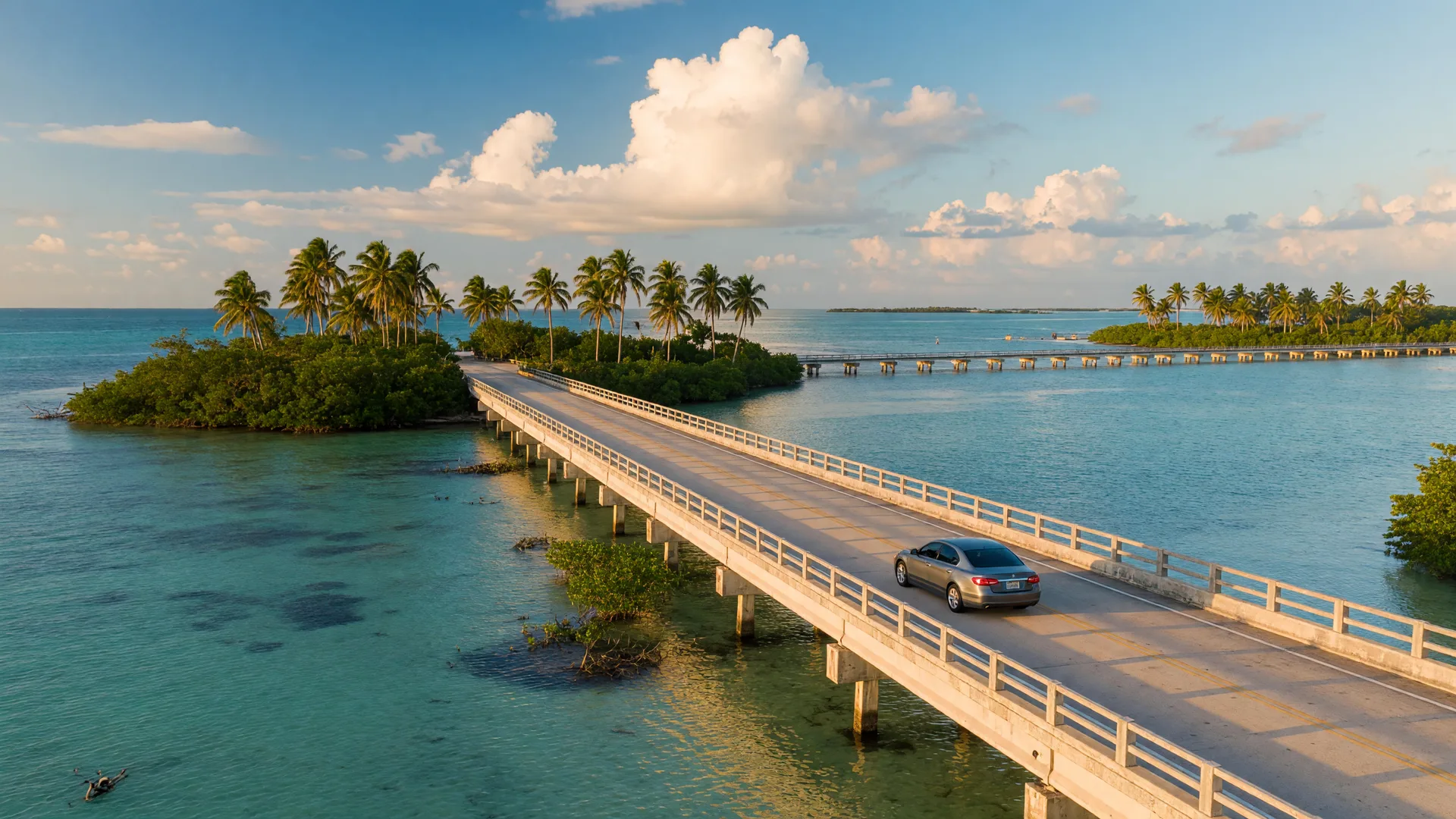
Relocating to the Florida Keys: A Complete Guide for Out-of-State Buyers
Key Takeaways
- Relocating to the Florida Keys requires planning around flood insurance, hurricane preparedness, and understanding the unique Islands building codes that differ from mainland Florida.
- Each Keys community has its own character: Key Largo offers convenience and diving, Islamorada is the sportfishing capital with premier waterfront, Marathon balances family living with access to the reef, and the Lower Keys provide space and privacy.
- Working with an agent who also holds a contractor license and home inspector license gives out-of-state buyers an unmatched advantage in evaluating property condition and renovation potential.
- The buying process in the Keys is similar to mainland Florida, but timelines can stretch due to flood zone requirements, septic-to-sewer conversions, and title searches on properties with older ownership records.
What should you know before relocating to the Florida Keys from out of state? Moving to the Florida Keys is a dream for many, but the reality of buying property in this unique island chain comes with specific requirements that catch many out-of-state buyers off guard. From flood insurance mandates to building codes shaped by hurricane history, this guide walks you through everything you need to know before making the leap. Whether you are considering Key Largo, Islamorada, Marathon, or a quiet corner of the Lower Keys, understanding the local market and lifestyle will help you find the right property and avoid costly surprises. Start by exploring our complete Florida Keys buying guide for a step-by-step overview of the purchase process.
Why the Florida Keys? Understanding the Island Lifestyle
People relocate to the Florida Keys for one overriding reason: the lifestyle. There is no other place in the United States quite like the 125-mile island chain stretching from Biscayne Bay to the Dry Tortugas. The Keys offer a pace of life that balances laid-back tropical living with access to world-class boating, fishing, diving, and dining. The weather is warm year-round, winters are mild, and the community is a mix of longtime Conchs, transplants from across the country, and seasonal residents.
That said, the Keys also come with trade-offs. Goods cost more because everything is shipped down the Overseas Highway. Healthcare options are limited compared to Miami-Dade County. And during peak tourist season, traffic on the single two-lane highway can test your patience. For those who understand these realities, the rewards of Keys living far outweigh the inconveniences.
My name is Steve Conley, and I have spent over 30 years helping people buy and sell property in the Florida Keys. With more than $1.4 billion in career sales, I bring a level of experience and market knowledge that is hard to find anywhere else in the Keys. You can read more about my background on the About Steve Conley page.
Choosing Your Community: Key Largo, Islamorada, Marathon, and the Lower Keys
One of the first decisions you will face when relocating to the Florida Keys is which community best fits your lifestyle. Each island and town has a distinct personality. Here is a breakdown of the main areas:
Key Largo
Key Largo is the gateway to the Florida Keys, located about an hour from Miami. It is the most convenient Keys community for those who need regular access to the mainland, with the widest selection of grocery stores, hardware stores, and services. Key Largo is known as the Diving Capital of the World, home to John Pennekamp Coral Reef State Park and the iconic Christ of the Abyss statue. Waterfront properties here range from canal homes with dockage to open-water bayfront and oceanfront estates. Key Largo real estate tends to be more affordable than Islamorada for comparable waterfront, though premium properties still command top dollar. Explore Key Largo real estate and community information for a deeper look.
Tavernier
Tavernier sits between Key Largo and Islamorada on Plantation Key. It is a quieter, more residential community with a mix of canal homes, older Florida-style cottages, and newer construction. Tavernier offers good value for buyers who want waterfront living without Islamorada price tags. The Tavernier Creek area provides boat-access homes with direct Atlantic and Bay access. The community has its own shopping centers, restaurants, and the Conley Sales Group office at 90144 Overseas Hwy #1.
Islamorada
Islamorada, the Sportfishing Capital of the World, spans several islands including Upper Matecumbe Key, Windley Key, Plantation Key, and Lower Matecumbe Key. It is the most desirable address in the Upper Keys for many buyers, offering premium waterfront homes, estate-sized lots, and some of the best fishing and dining in the country. Islamorada real estate commands a premium, especially on the Atlantic Ocean side and at popular bayfront locations like Tea Table Relief and Whale Harbor. The village also has a strong arts scene, with galleries, studios, and regular community events. Islamorada is Steve Conley's preferred area, and he has deep knowledge of its neighborhoods and market. Learn more about Islamorada real estate and lifestyle.
Marathon
Marathon sits in the Middle Keys, roughly halfway between Key Largo and Key West. It is a family-friendly community with excellent schools, a hospital, and the largest concentration of services between Miami and Key West. Marathon offers more affordable waterfront options than the Upper Keys, with canal homes, bayfront properties, and Atlantic-side beach homes. Sombrero Beach is one of the best public beaches in the Keys, and Curry Hammock State Park offers camping and kayaking. Marathon is also the gateway to the Seven Mile Bridge and the Lower Keys. See the Marathon real estate guide for current listings and neighborhood details.
The Lower Keys: Big Pine Key and Beyond
For buyers seeking space, privacy, and a more rural Keys experience, the Lower Keys offer large lots, quieter roads, and a strong connection to nature. Big Pine Key is the largest island in the Lower Keys and is home to the National Key Deer Refuge. Properties here tend to offer more land for the price, with many homes sitting on lots of half an acre or more. The Lower Keys also include Sugarloaf Key, Cudjoe Key, and Summerland Key, each with its own residential neighborhoods and waterfront communities. The Big Pine Key real estate guide provides more information on this unique area.
What Out-of-State Buyers Need to Know About the Buying Process
The process of buying a home in the Florida Keys follows Florida real estate law, but several factors unique to the Keys can affect timelines and costs. Here is what every out-of-state buyer should understand before making an offer.
Flood Insurance and Flood Zones
Almost every property in the Florida Keys sits in a flood zone. Lenders require flood insurance for properties in high-risk flood zones, and even cash buyers should carry it. The cost of flood insurance varies significantly based on elevation, flood zone designation, and the age of the structure. Newer homes built to current elevation standards typically have lower premiums. Properties built before the current flood maps may have grandfathered rates, but those rates can change when a property is sold. Ask your agent and insurance provider for a flood insurance quote before making an offer. The FEMA Flood Smart portal is a good starting point for understanding flood risk.
Windstorm Insurance
Windstorm insurance is another mandatory cost for Keys properties. Florida's property insurance market has tightened in recent years, and the Keys are in the highest-risk wind zone. Premiums have risen significantly, especially for older homes with non-impact windows or older roofing materials. Newer construction with impact-resistant windows and doors, hip roofs, and modern building code compliance will have lower windstorm premiums. Always factor insurance costs into your monthly budget, as they can add thousands per year compared to mainland Florida.
Building Codes and Permitting
The Florida Keys have some of the strictest building codes in the country, for good reason. Properties must meet the Florida Building Code with specific Keys amendments covering elevation, wind resistance, and flood protection. Monroe County and each municipal jurisdiction (Islamorada, Marathon, Key West) have their own permitting processes. If you plan to renovate, add a dock, or build a pool, factor in longer permitting timelines and stricter requirements than you may be used to. This is where working with an agent who also holds a Florida state contractor's license and home inspector license provides a rare advantage. I personally evaluate every property's condition, structure, and renovation potential with an eye that few agents can match. For a deeper look at this advantage, read Why Your Agent Should Be a Licensed Inspector, Too.
Septic Systems and Sewer Connections
Many older properties in the Keys still use septic systems. Monroe County has an ongoing program requiring septic-to-sewer conversions in certain areas to protect water quality in Florida Bay and the Atlantic. If you buy a property on septic, check whether a mandatory conversion is scheduled for your street or neighborhood. Conversion costs can range from $10,000 to $30,000 depending on the property's location and the connection distance to the nearest sewer line.
Title Searches and Ownership History
Some Keys properties have ownership records that go back decades or even a century, especially on islands with older homesteads. Title searches can uncover issues like unrecorded easements, boundary disputes, or ownership gaps from the Overseas Railroad era. A thorough title search and title insurance are essential for any Keys property purchase.
Cost of Living in the Florida Keys
The cost of living in the Florida Keys is significantly higher than the national average and higher than most of mainland Florida. Here are the key factors:
- Housing: The median home price in the Keys is substantially above the Florida average. Waterfront properties command a significant premium, while canal homes offer more affordable entry points to waterfront living.
- Groceries and goods: Everything must be trucked down the Overseas Highway, so prices at Winn-Dixie, Publix, and local markets are higher than in Miami or Fort Lauderdale.
- Utilities: Electricity rates from Florida Keys Electric Cooperative are higher than the state average. Water and wastewater costs also run above mainland rates.
- Healthcare: Mariners Hospital in Tavernier and Fishermen's Community Hospital in Marathon provide general care, but specialists often require a drive to Miami. Telemedicine is a practical option for routine consultations.
- Transportation: Many residents own a boat in addition to a car, and boat maintenance, dockage, and insurance add to monthly expenses. Gas prices are typically $0.20 to $0.50 higher per gallon than on the mainland.
Getting to Know Your New Community
Once you have chosen your Keys community and started the buying process, take time to explore the area as a resident, not just a visitor. Visit the local farmers markets, which run year-round in Key Largo, Islamorada, and Marathon. Attend a community event at Founders Park in Islamorada or the Marathon Community Park. Walk the Florida Keys Overseas Heritage Trail to get a feel for the neighborhoods. For a broader overview of what each community offers, our Florida Keys interactive map provides a visual guide to the entire island chain.
Dining out is a central part of Keys life. From the best waterfront dining in Key Largo and Islamorada to casual seafood shacks in Marathon, the Keys restaurant scene is one of the best in Florida. For recommendations, read our guide to the best waterfront dining in the Florida Keys and our roundup of happy hours and cocktail bars.
For outdoor enthusiasts, the Keys offer unmatched access to nature. The parks and outdoor recreation guide covers the best state parks, beaches, and nature preserves from Key Largo to Marathon. And if boating is part of your lifestyle, the boating lifestyle guide covers marinas, boat ramps, and destinations across the Keys.
Common Mistakes Out-of-State Buyers Make
After helping hundreds of out-of-state buyers relocate to the Florida Keys, I see the same mistakes come up again and again. Here are the most common ones to avoid:
- Skipping the home inspection: A licensed home inspector can identify issues with moisture, termites, roofing, and HVAC that are specific to the Keys climate. I hold a home inspector license and personally evaluate every property I represent.
- Underestimating insurance costs: Always get insurance quotes before making an offer. A property that fits your budget on paper may cost significantly more once flood and windstorm insurance are factored in.
- Not visiting during off-season: Summer in the Keys is hot and humid, and hurricane season runs June through November. Visit during both peak season and off-season to understand the full range of weather and tourism impacts.
- Ignoring the commute: If you plan to work from home or commute to Miami a few times a week, consider the drive time carefully. The Overseas Highway is a two-lane road with limited passing opportunities, and accidents can cause multi-hour delays.
- Overlooking HOA and condo fees: Many waterfront communities and condominium complexes have HOA fees that cover dock maintenance, pool upkeep, and landscaping. These fees can range from $300 to $1,500 per month or more for luxury properties.
For a more comprehensive look at buying pitfalls, read my post on 5 Mistakes First-Time Buyers Make in the Florida Keys.
Making the Move: Practical Steps
Once your offer is accepted and you are ready to relocate to the Florida Keys, here is a practical checklist to guide your move:
- Secure insurance: Work with a local Keys insurance agent who understands flood and windstorm requirements. Out-of-state agents may not have the specific expertise needed.
- Set up utilities: Contact Florida Keys Electric Cooperative for power, the Florida Keys Aqueduct Authority for water, and your chosen internet provider for service. Some neighborhoods have limited internet options, so check availability early.
- Register your vehicle: New Florida residents must register their vehicle within 30 days of establishing residency. Monroe County tax collector offices are located in Key Largo, Islamorada, Marathon, and Key West.
- Obtain a Florida driver's license: You have 30 days to transfer your out-of-state license to a Florida license. Schedule an appointment at a Monroe County DMV office.
- Register to vote: Monroe County Supervisor of Elections offers online registration.
- Find local healthcare providers: Establish care with a primary care physician at Mariners Hospital in Tavernier or Fishermen's Community Hospital in Marathon.
For a full walkthrough of the home-buying process from contract to closing, our complete Florida Keys buying guide covers every step in detail. And if you are selling a property before relocating, the selling guide offers strategies for maximizing your sale price.
Frequently Asked Questions
How much does it cost to live in the Florida Keys?
The cost of living in the Florida Keys is approximately 40-60% higher than the national average. Housing is the largest factor, with median home prices well above the Florida average. Groceries, utilities, and healthcare also run higher, while there is no state income tax in Florida. A comfortable retirement or remote-work budget in the Keys typically requires planning for higher housing and insurance costs than in most mainland locations.
What is the best Keys community for families?
Marathon offers the best balance of schools, services, and family-friendly amenities in the Middle Keys. It has a hospital, multiple grocery stores, sports fields, Sombrero Beach, and Curry Hammock State Park. Key Largo also offers good schools and the most services of any Keys community, with easy access to Miami for additional amenities. Islamorada is popular with families who prioritize waterfront living and a tight-knit community feel, though services are more limited than in Key Largo or Marathon.
Do I need flood insurance in the Florida Keys?
Yes, almost all properties in the Florida Keys require flood insurance. If you have a mortgage, your lender will mandate it for any property in a high-risk flood zone. Even cash buyers should carry flood insurance, as a single hurricane or king tide event can cause tens of thousands of dollars in damage. The cost depends on your property's elevation, flood zone, and the age of the structure. Always get a flood insurance quote from a licensed agent before making an offer.
Is Islamorada more expensive than Key Largo?
Yes, Islamorada generally commands higher property prices than Key Largo for comparable waterfront homes. Islamorada's reputation as the Sportfishing Capital of the World, its concentration of luxury waterfront estates, and its limited inventory of buildable lots all contribute to higher per-square-foot prices. Key Largo offers more variety in price points and property types, including canal homes, bayfront lots, and condominiums at a wider range of price levels.
How long does it take to buy a home in the Florida Keys?
A typical Florida Keys home purchase takes 45 to 60 days from accepted offer to closing, similar to mainland Florida. However, certain factors can extend the timeline: flood zone compliance reviews, title searches on older properties, septic-to-sewer issues, and insurance underwriting. Cash purchases can close in as little as 14 to 21 days if all due diligence is completed quickly. Always build in extra time if you are on a specific moving schedule.
Helpful Resources & Related Guides
Internal Resources
- Key Largo Community Guide · Gateway living, diving, and canal homes
- Islamorada Community Guide · Sportfishing capital with premier waterfront estates
- Marathon Community Guide · Family-friendly living in the Middle Keys
- Complete Florida Keys Buying Guide · Step-by-step purchase process
- 5 Mistakes First-Time Buyers Make in the Florida Keys · Common pitfalls and how to avoid them
- Why Your Agent Should Be a Licensed Inspector, Too · The advantage of three licenses
- Contact Steve Conley · Get in touch about Keys real estate
External Resources
- FEMA Flood Smart · Understand flood risk and insurance requirements
- Zillow Florida Keys Real Estate · Browse current Keys listings and market data
- Florida Realtors · Official association for Florida real estate professionals
- Monroe County Government · Permitting, building codes, and county services
- National Association of Realtors · National real estate industry standards
We are committed to compliance with all federal, state, and local fair housing laws. We do not discriminate against any person because of race, color, religion, sex, national origin, familial status, or disability. Equal Housing Opportunity.

Steve Conley
Principal, Conley Sales Group at COMPASS · License #3232648
Thinking About Buying or Selling in the Florida Keys?
Whether you're buying your first waterfront home, selling a luxury property, or simply want to know what your home is worth, I'm here to help. As a local Compass REALTOR, I provide expert guidance, market insights, and personalized advice throughout the Florida Keys.