
The Complete Guide to Waterfront Living in the Florida Keys: Canals, Open Water, and Docks
Key Takeaways
- Waterfront living in the Florida Keys includes canal homes, open-water bayfront properties, and oceanfront estates, each with different access, maintenance, and insurance requirements.
- Canal depth, dock construction, and seawall condition are critical factors that affect both property value and daily usability for boat owners.
- Islamorada, Key Largo, Tavernier, and Marathon each offer distinct waterfront living experiences, from deep-water canal homes in Tavernier to open bayfront estates in Islamorada.
- Insurance costs, flood zone requirements, and elevation certificates vary significantly across Keys communities and directly impact the total cost of waterfront homeownership.
Waterfront living in the Florida Keys is the ultimate island lifestyle goal. From canal-front homes with private boat docks in Tavernier to open bayfront estates in Islamorada with sweeping sunset views, every waterfront property in the Keys is different. This guide covers the types of waterfront living available across the Keys, what to look for in a property, and the key factors that determine whether a waterfront home is the right fit for your lifestyle. For a market-wide perspective on waterfront values, the Florida Realtors housing data portal tracks pricing trends across the state.
The Three Types of Waterfront Living in the Keys
Not all waterfront properties in the Florida Keys are the same. Understanding the three main categories helps you narrow your search and focus on the communities and property types that match your priorities.
Canal-Front Homes
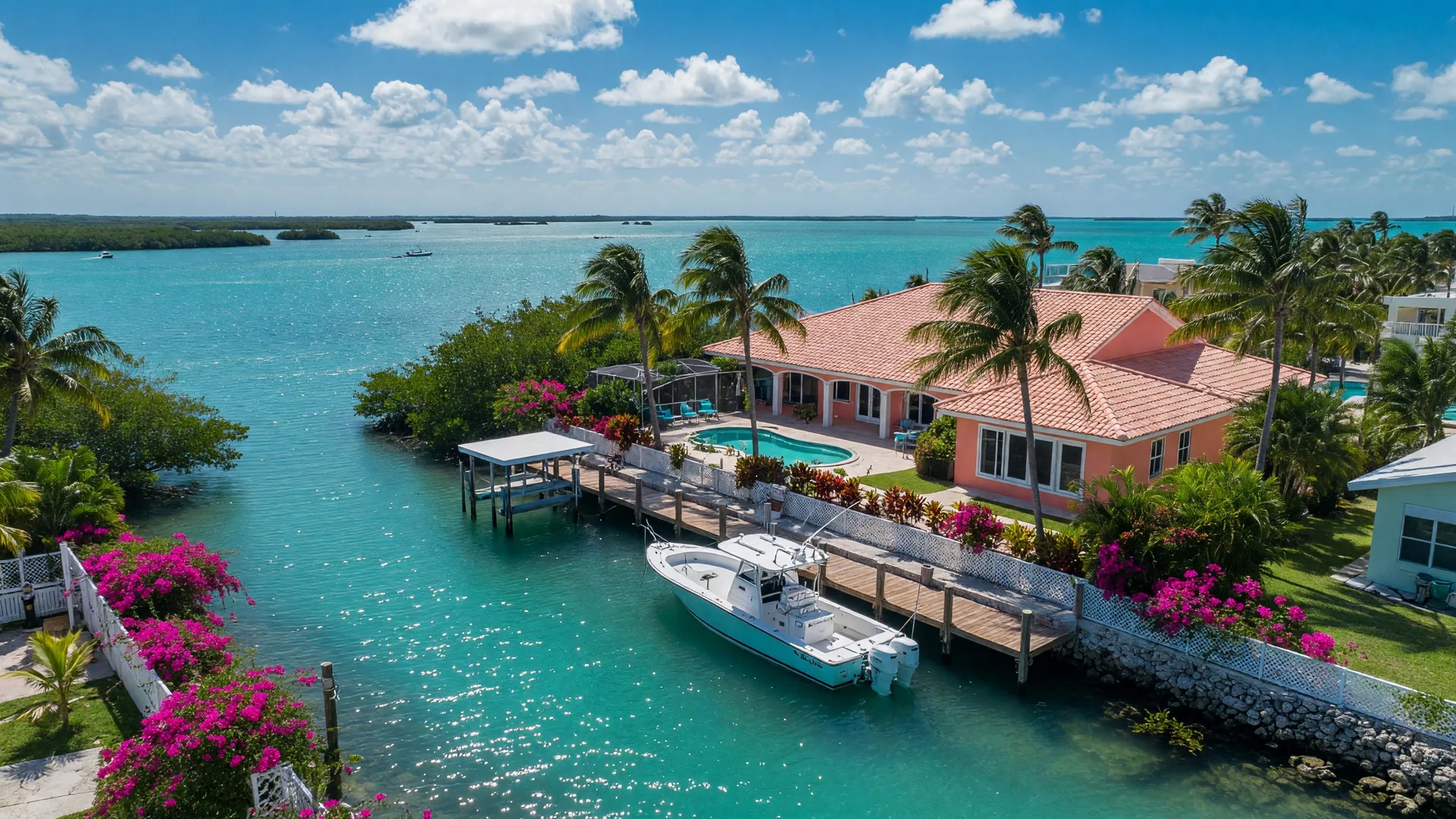
Canal-front homes sit on man-made canals that connect to Florida Bay or the Atlantic Ocean. These are the most common type of waterfront property in the Keys, and they are especially prevalent in Tavernier, Key Largo, and Marathon. Canal homes typically include a private dock, seawall, and direct access to navigable water.
The canal depth varies by location and is the single most important factor for boat owners. Some canals in the Upper Keys maintain depths of four to six feet at low tide, enough for shallow-draft boats and smaller center consoles. Other canals, particularly those that have not been dredged recently, may be too shallow for boats with deeper drafts. A canal depth survey is a standard part of due diligence when buying a canal-front home.
Canal living offers a quieter, more protected environment than open-water properties. The canals are typically calm, with minimal wave action and no direct exposure to wind or storms. This makes them ideal for homeowners who want dock access without the open-water maintenance demands. The downside is that canal depth and tidal flow require regular monitoring, and some canals need periodic dredging to maintain navigability.
Bayfront Homes
Bayfront homes sit directly on Florida Bay, usually with unobstructed views west across the water. These properties offer spectacular sunset views, direct access to the bay for paddleboarding, kayaking, and shallow-draft boating, and a sense of openness that canal homes cannot match. Islamorada is the premier location for bayfront living in the Keys, with properties along Upper Matecumbe Key and Lower Matecumbe Key offering some of the most sought-after bayfront positions in the island chain.
Bayfront properties face more exposure to wind, tides, and weather than canal homes. The seawall condition is critical, and maintenance costs tend to be higher. The trade-off is the lifestyle: sunsets over Florida Bay from your own backyard, direct water access for kayaks and paddleboards, and the constant breeze that keeps the Keys comfortable year-round.
Oceanfront Homes
Oceanfront homes on the Atlantic side of the Keys are the rarest and most expensive waterfront type. These properties sit on the open ocean, usually with a beach or rocky shoreline, and offer direct access to the Atlantic for swimming, snorkeling, and offshore boating. Oceanfront properties are concentrated in specific areas, including Key Largo's ocean side and sections of Marathon near Sombrero Beach.
Oceanfront living requires the highest level of maintenance. Salt spray affects every exterior surface, wind exposure is constant, and storm surge risk is the highest of any waterfront category. Insurance premiums for oceanfront properties reflect these factors. For buyers who prioritize direct ocean access and uninterrupted water views, the costs are justified by the lifestyle.
Key Considerations Before Buying Waterfront
Waterfront living in the Keys comes with a set of considerations that inland buyers may not encounter. These factors affect both the purchase price and the ongoing cost of ownership. Our detailed guide on buying waterfront property in the Keys covers each topic in depth, but here are the most important ones to understand going in.
Seawall Condition
The seawall is the structure that holds your property together at the water's edge. A failing seawall can cost tens of thousands of dollars to repair and may require permitting through the Florida Department of Environmental Protection and the Army Corps of Engineers. A seawall inspection by a qualified marine contractor is a standard part of any waterfront home purchase. As a licensed Florida contractor and home inspector, I evaluate seawall condition as part of every waterfront transaction I handle. See our article on what three licenses mean for your transaction for more on how this benefits buyers and sellers.
Dock Permits and Ownership
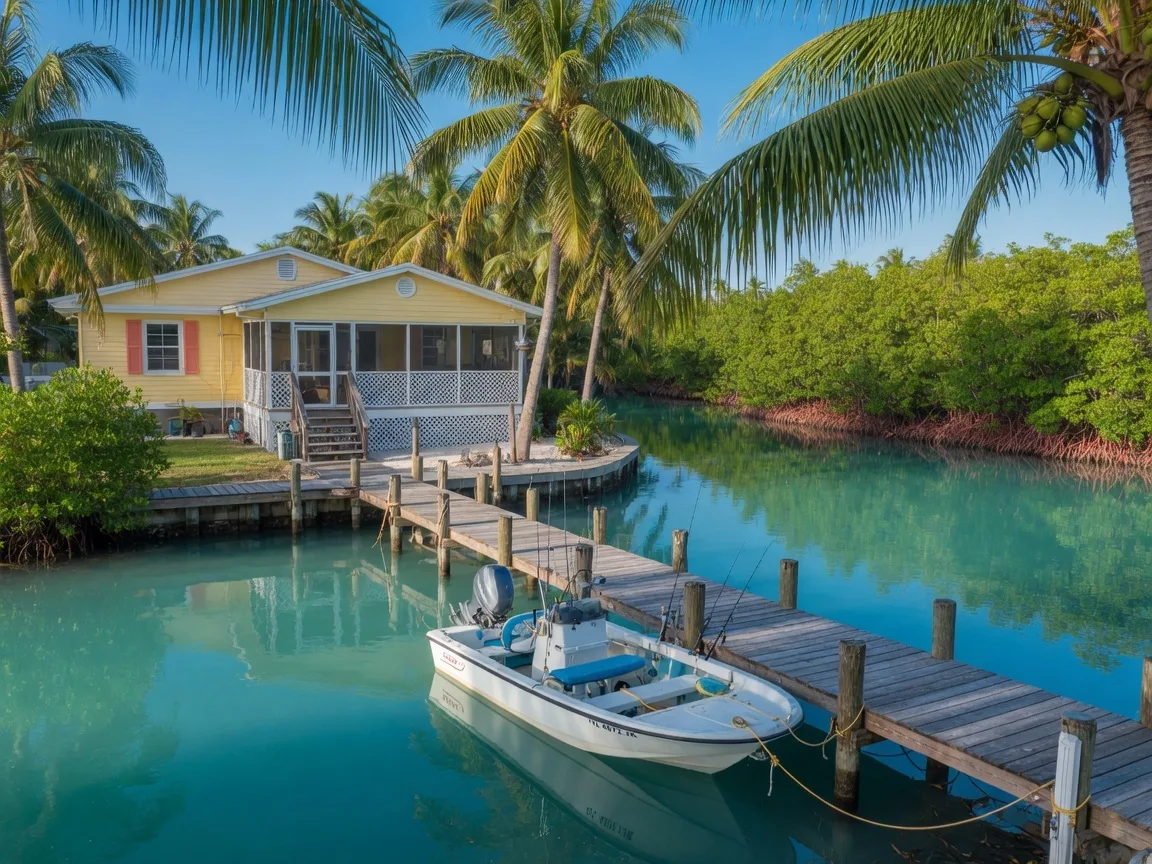
Not every dock in the Keys has current permits. Dock permitting through the state of Florida and local authorities is a layered process, and unpermitted docks can create issues during a sale. A dock that is properly permitted and structurally sound adds significant value to a waterfront property. If you plan to keep a boat at your dock, confirm that the dock can accommodate your boat's length, beam, and draft before making an offer.
Insurance and Flood Zones
Waterfront properties in the Keys fall into high-risk flood zones (Zone AE, VE, or coastal A zones), which require flood insurance through the National Flood Insurance Program or a private carrier. Windstorm insurance is also required and has become more expensive across Florida in recent years. Insurance costs should be factored into your monthly budget from the start. Elevation certificates, which show the height of the home's lowest floor relative to base flood elevation, directly affect your insurance premiums.
It is worth noting that newer construction and elevated homes typically command lower insurance premiums. Homes built to current Florida building code (post-2002) are better positioned for both insurance affordability and storm resilience. Our buying guide includes a full section on navigating insurance requirements in the Keys.
Best Communities for Waterfront Living
Tavernier: Deep-Water Canals and Residential Living
Tavernier is the heart of the Upper Keys and offers some of the best deep-water canal access in the island chain. The neighborhood of Tavernier Creek Estates and the canals near the Ocean Reef Club area provide consistent depths for larger boats. Tavernier is more residential and less tourist-driven than Islamorada, which makes it a popular choice for year-round residents. The waterfront dining and local shops along the Overseas Highway make it convenient without sacrificing the Keys atmosphere.
Islamorada: Bayfront Living and World-Class Sunsets
Islamorada's bayside is the premier location for sunset-facing waterfront properties. The stretch of bayside homes from Upper Matecumbe Key through Lower Matecumbe Key offers consistent depths for shallow-draft boats and paddlecraft. Islamorada is also the sportfishing capital of the world, and many waterfront homes here include deep-water dockage for offshore fishing boats. The Islamorada community guide covers the neighborhoods and waterfront options in detail.
Key Largo: Diverse Waterfront Options
Key Largo offers waterfront options across every category. The Atlantic side features oceanfront homes near John Pennekamp Coral Reef State Park, while the bayside has extensive canal systems in neighborhoods like Stillwright Point and the Key Largo Anglers Club area. Key Largo's waterfront properties tend to offer more land and larger lots than other Keys communities, which appeals to buyers who want space alongside water access.
Marathon: Middle Keys Waterfront Hub
Marathon's central location provides quick access to both the Atlantic and Florida Bay. The canals around the Marathon Yacht Club and the homes along the Gulf side near Knights Key offer deep-water access for boats of all sizes. Marathon also has some of the best waterfront communities in the Keys for year-round living. The Marathon community guide has more information on specific neighborhoods and waterfront options.
Docks, Boats, and the Waterfront Lifestyle
For many buyers, waterfront living in the Keys means having a boat at the dock. The lifestyle revolves around the water: sunrise fishing trips, weekend sandbar gatherings, paddleboarding at sunset, and spontaneous afternoon swims. A property with a private dock transforms the Keys from a vacation destination into a daily reality. Our boating lifestyle guide covers the best marinas, boat ramps, and destinations for Keys boaters.
If you are buying a waterfront home with the intention of keeping a boat, verify the dock's condition, depth at low tide, and accessibility to open water. Some canals require passing under fixed bridges that may limit your boat's air draft. Others have no-wake zones that add transit time to open water. These details matter more than most first-time waterfront buyers realize.
The Florida Keys interactive map is a useful tool for exploring different waterfront neighborhoods and understanding how each area connects to the wider island chain. It covers every community from Key Largo to Key West with mile marker references and lifestyle highlights.
Maintenance and Upkeep
Waterfront properties require more maintenance than inland homes. Salt air corrodes metal fixtures, AC units, and outdoor furniture. Seawalls need regular inspection. Docks need pressure washing and occasional repairs. Mangrove growth along the shoreline may need trimming (subject to strict state regulations that require permits before any work near mangroves).
The good news is that a well-maintained waterfront property in the Keys tends to appreciate consistently over time. Waterfront homes are limited in supply, and demand from both primary residents and second-home buyers keeps the market active. If you are considering selling, our selling guide covers how to position a waterfront property for the best possible outcome.
As someone who holds a Florida contractor's license and a home inspector license alongside my real estate license, I bring a unique perspective to every waterfront transaction. I can spot seawall issues, roof concerns, and construction quality problems that most agents miss. For the latest values and trends on waterfront properties, visit our Florida Keys market report page. If you are ready to explore waterfront living in the Keys, reach out to me directly. I have guided buyers through every type of waterfront property across all Keys communities.
Frequently Asked Questions
What is the best place for waterfront living in the Florida Keys?
The best community for waterfront living depends on your priorities. Islamorada offers spectacular bayfront sunsets and world-class fishing access from private docks. Tavernier has some of the deepest canal systems in the Upper Keys with a more residential feel. Key Largo provides diverse waterfront options with larger lot sizes, while Marathon is ideal for buyers who want quick access to both the Atlantic and Florida Bay. Each community has its own character, and the right choice depends on your boat size, lifestyle, and budget.
How much does waterfront property cost in the Florida Keys?
Waterfront property prices in the Keys vary widely by location and property type. Canal-front homes in the Upper Keys typically range from $800,000 to $2.5 million. Bayfront properties in Islamorada often command $1.5 million to $5 million or more. Oceanfront estates are the most expensive category, with prices starting around $2 million and reaching well above $10 million for premium positions. Waterfront values have appreciated significantly over the past decade due to limited supply and consistent demand from buyers nationwide. For current pricing in your target area, contact me directly for a personalized market analysis.
What insurance do I need for a waterfront home in the Keys?
Waterfront homes in the Florida Keys require flood insurance through the National Flood Insurance Program or a private carrier, plus windstorm insurance. Most mortgage lenders also require homeowners insurance with specific wind coverage. Flood insurance costs depend on the property's elevation certificate and flood zone designation. Windstorm insurance has become more expensive across Florida, and premiums vary by the home's construction type, age, and roof condition. Elevated post-2002 construction typically qualifies for lower rates. Budgeting $5,000 to $15,000 per year for combined insurance is realistic for most Keys waterfront properties.
Do I need a permit for a dock in the Florida Keys?
Yes, dock construction and repair in the Florida Keys require permits from multiple agencies, including the Florida Department of Environmental Protection, the Army Corps of Engineers, and local Monroe County authorities. Most existing docks in the Keys already have permits, but unpermitted docks are not uncommon in older properties. A dock permit status check is a standard part of the due diligence process when buying a waterfront home. Work near mangrove shorelines also requires special permits, and trimming mangroves without authorization can result in significant fines.
What is a seawall and why does it matter?
A seawall is a retaining structure along the shoreline that prevents erosion and holds the property together at the water's edge. In the Florida Keys, seawalls are typically made of concrete, steel sheet pile, or vinyl. A failing seawall can lead to property loss, erosion, and expensive repairs that can exceed $50,000 depending on the length and construction type. A professional seawall inspection is essential before purchasing any waterfront property. I recommend having a licensed marine contractor evaluate the seawall as part of your home inspection contingency.
Helpful Resources & Related Guides
Internal Resources
- Islamorada Community Guide — Premier bayfront living and world-class sunsets
- Tavernier Community Guide — Deep-water canal homes and residential waterfront
- Key Largo Community Guide — Diverse waterfront options from canals to oceanfront
- Marathon Community Guide — Middle Keys waterfront hub with Atlantic and bay access
- Buying Waterfront in the Keys: 5 Key Tips — What to know before buying waterfront property
- Why Your Agent Should Be a Licensed Inspector, Too — The advantage of three licenses in evaluating waterfront properties
- Florida Keys Buying Guide — Everything you need to know about buying property in the Keys
- Florida Keys Selling Guide — Tips for selling your waterfront property
- Contact Steve Conley — Get in touch about Keys real estate
External Resources
- Florida Realtors — Official professional association for Florida real estate professionals
- Zillow — Browse Florida Keys real estate listings
- Realtor.com — Search homes for sale in the Florida Keys
- National Association of Realtors — National real estate industry standards and resources

Steve Conley
Principal, Conley Sales Group at COMPASS · License #3232648
Thinking About Buying or Selling in the Florida Keys?
Whether you're buying your first waterfront home, selling a luxury property, or simply want to know what your home is worth, I'm here to help. As a local Compass REALTOR, I provide expert guidance, market insights, and personalized advice throughout the Florida Keys.