
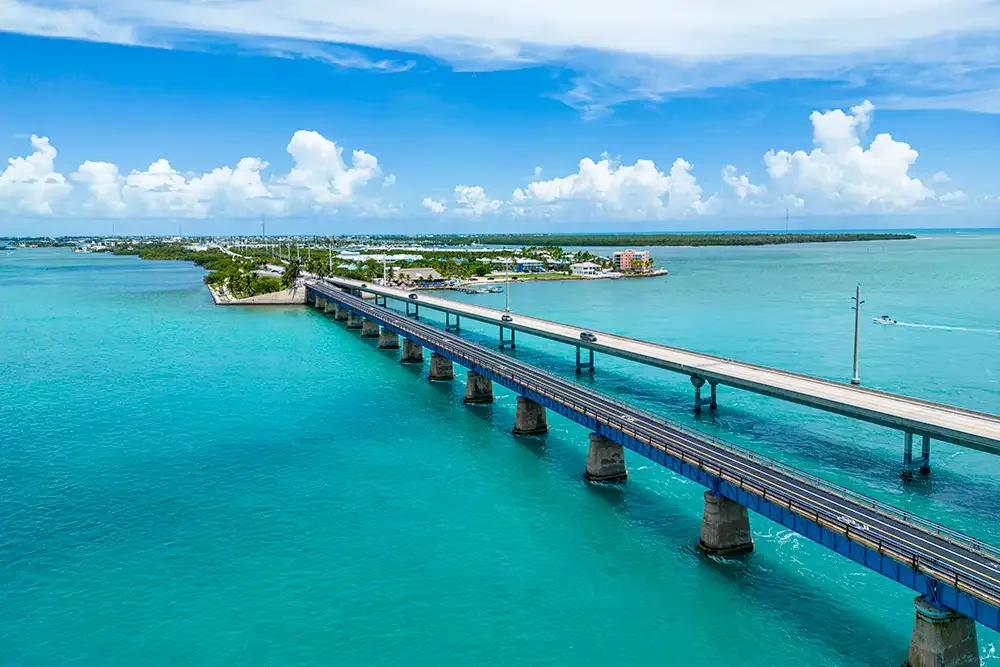
Best Shore Fishing Spots in the Florida Keys: Bridges, Piers, and Beaches
Key Takeaways
- You can fish the Florida Keys without a boat: the catwalks of the old overseas highway bridges are free, open public fishing spots along much of the island chain.
- Long Key Bridge and the Channel Five Bridge are among the most reliable bridge spots, while Bahia Honda and Curry Hammock State Parks offer wade and shoreline fishing.
- Anglers 16 and older need a Florida saltwater fishing license, and the free Florida shoreline license covers fishing from land, a bridge, a pier, or a jetty.
- The Lower and Middle Keys are where the best bridge and flat fishing concentrates, which is also why canal and waterfront homes near these waters hold steady demand.
Where are the best places to fish in the Florida Keys without a boat? The answer is far easier to reach than most visitors expect: the recovered catwalks of the old overseas highway bridges, the shorelines and flats of the state parks, and a handful of public piers and parks are all open to shore anglers. The Florida Keys stretch about 113 miles from Key Largo to Key West, and while the famous charter fleet (deeply covered in our complete guide to fishing in the Florida Keys) dominates the offshore scene, you can catch snapper, grouper, jacks, tarpon, and even bonefish without ever leaving dry land. This guide walks through the best public shore fishing spots in the Keys, organized by region, so you know exactly where to set up on your next trip.
Most of the spots below sit in the Upper and Middle Keys, which is also where Steve Conley and the Conley Sales Group at COMPASS help buyers and sellers every day. A great shore fishing outing is also a great way to scout a neighborhood, park a boat, or picture what waterfront living would actually feel like.
Bridge Fishing: The Classic Florida Keys Shore Experience
When the Overseas Highway was rebuilt, many of the old two-lane bridges were preserved as fishing piers and bike paths. Steel railings, wide catwalks, and plenty of current make these old bridges the backbone of Keys shore fishing. Water moves fast through the bridge cuts, so game fish stack up around the pilings waiting for bait to sweep by. Because many of these bridges are open to the public at no charge, they are the most accessible shore fishing in the entire chain.
Long Key Bridge and the Channel Five Bridge
Long Key Bridge sits in the Middle Keys around Mile Markers 63 to 65, and it is one of the most beloved bridge-fishing spots in the Keys. Anglers on the catwalk target snapper and grouper as the fish work the shadow lines between the pilings. Just to the north, the Channel Five Bridge at Mile Marker 71 is famous for yellow jacks, yellowtail, mutton, and mangrove snappers, with parking and fishing platforms on both sides. It is a reliable spot that local anglers return to again and again, and it is easy to reach from the Marathon side of the bridge.
Channel Two Bridge and the Other Open Spans
Around Mile Marker 73, the Channel Two Bridge offers another walkable catwalk spot for families and casual anglers. Several other spans are open to fishing as well: Tom's Harbor Cut near Mile Marker 61.2, Tom's Harbor Channel near Mile Marker 60.6 (north end only), the south end of the Seven Mile Bridge at Mile Marker 40, and Spanish Harbor Bridge near Mile Marker 33. The Seven Mile Bridge walk is especially scenic, with open water on both sides and the deep blue channel running beneath you.
Shore Fishing in the Upper Keys: Key Largo, Tavernier, and Islamorada
The Upper Keys get less of the open-bridge fame than the Middle Keys, but they still have excellent shore options, many of them close to the communities Steve serves most often.
Harry Harris Park in Tavernier
At Mile Marker 92.6 in Tavernier, Harry Harris Park is a Monroe County park with oceanside shoreline access, picnic areas, and a playground. You can cast from the shore here, and the park is a relaxed, family-oriented setting that is also one of the easier places in the Upper Keys to fish from land. For more on the surrounding community, see our Tavernier community guide.
Robbie's Marina in Islamorada
At Mile Marker 77 in Islamorada, Robbie's Marina is world famous for hand-feeding giant tarpon at the dock, and you can fish the marina area as well. The marina also operates party boats that head offshore, so it works as a hybrid option if you want both a shore session and a taste of the charter experience. Islamorada, the self-styled sportfishing capital of the world, concentrates a remarkable number of fishing businesses and canal homes along a short stretch of US 1. See our Islamorada community guide for what life looks like there.
Bayside Canals and Shorelines of Key Largo
Throughout Key Largo, public right-of-way pockets along the bayside and the mouths of residential canals offer casual shore fishing. Mangrove shorelines hold snapper and juvenile tarpon, and the calm bayside water is gentle enough for beginners. Key Largo's bayside parks and waterfront restaurants make it easy to pair a morning cast with a midday meal. Our Key Largo community guide maps out the neighborhoods and launch points.
Wade and Shoreline Fishing in the State Parks
The Florida Keys state parks deliver some of the most beautiful shore fishing in the country, with wildlife and turquoise flats that double as the set of your own fishing video.
Bahia Honda State Park
Bahia Honda State Park at Mile Marker 37, near the Lower Keys on the Big Pine Key side, is famous for its beach, but it is also a legitimate wade-fishing destination. Anglers work the Atlantic-side flats for tarpon, permit, bonefish, barracuda, snapper, and grouper. Shoreline access is limited to the campground and day-use areas, and fishing near the old Flagler railroad bridge is prohibited, so stick to the designated shoreline and flats. A Florida saltwater license is required. It is one of the prettiest, least crowded places to fish in the Lower Keys; for the wider area see our Lower Keys community guide.
Curry Hammock State Park
Curry Hammock State Park at Mile Marker 56.2 sits between Islamorada and Marathon. The flats here hold permit and bonefish, while the adjacent channel has produced sharks, snapper, and snook. Standard Florida regulations apply and spearguns are not allowed in the park. The park is also a top spot for paddleboarders and kayakers, so it makes a fine all-day outdoor destination. For the Marathon area, see our Marathon community guide.
What You Can Catch and When to Go
Shore fishing in the Keys puts you into a rotating cast of species. Mangrove snapper, mutton snapper, and yellowtail are common around bridges and pilings; jacks pound bait throughout the year; grouper push through the cuts seasonally; and tarpon gather near bridges and marinas, especially in the spring and summer. Warmer months bring steady action early in the morning and again as the afternoon tide turns. Cooler months concentrate fish and thin out the crowds. Whatever the season, fishing tide changes is the single biggest lever on your success, so check a tide chart for the bridge or park you plan to fish.
Licenses and Regulations
Anyone 16 or older fishing in Florida saltwater needs a saltwater fishing license, with one important exception for shore anglers: the free Florida shoreline license covers fishing from the land, a bridge, a pier, or a jetty under Florida Fish and Wildlife Conservation Commission rules. That makes a huge portion of the shore fishing in this guide effectively free to get started, though the free license is not valid for diving, spearfishing, or fishing from a boat. Always check the current rules on the official FWC saltwater fishing page before heading out, because season dates and size limits change.
Gear and Tips for a Good Shore Fishing Day
- Match the rod to the bridge. A 6.5 to 7.5 foot spinning rod handles most bridge fishing well, and a lighter outfit is ideal for the flats.
- Bring a sabiki rig. A small sabiki bait rig lets you catch your own live bait (pilchards, ballyhoo, or grunts) right off the pilings, which is exactly what the big fish are waiting for.
- Fish the shadow line. Dropping bait against the shady side of a piling nearly always outproduces the open water beside it.
- Watch the tide. The hour on either side of a tide change is when the current, and the fish, move most.
- Respect the sun. Sunscreen, a hat, and plenty of water turn a few hours on a bare bridge into an enjoyable outing. There is rarely natural shade on a catwalk.
Shore Fishing and Waterfront Living in the Florida Keys
Beyond the sport, shore fishing says a lot about what makes the Florida Keys such a desirable place to live. Homes with canal frontage, a private dock, or a quick walk to a fishing bridge offer residents a daily outdoor lifestyle that is hard to find anywhere else. The resale strength of waterfront and canal properties reflects that demand. Our complete guide to waterfront living in the Florida Keys covers canals, open water, and docks in detail.
If you are considering a move to the Keys, footing a fishing spot can double as market research. Spend a day at Long Key Bridge, grab lunch near Channel Five, and picture yourself doing it every week from your own backyard. The neighborhoods closest to the best fishing hold enduring appeal for buyers who value the water lifestyle.
As the Principal of the Conley Sales Group at COMPASS, I help buyers and sellers across the entire island chain, from Key Largo and Tavernier to Islamorada, Marathon, and the Lower Keys. If you would like to find a home near the water, a canal with your own dock, or simply a community where a morning cast is minutes from your door, contact Steve Conley and let us talk about what you are looking for. For practical buying advice, our buying guide and selling guide walk through the process step by step.
Frequently Asked Questions
Do you need a boat to fish in the Florida Keys?
No. Many of the best fishing spots in the Keys are public bridges, piers, and shoreline areas you can fish from land. The catwalks of the old overseas highway bridges, state park shorelines such as Bahia Honda and Curry Hammock, and public parks like Harry Harris Park in Tavernier all offer accessible shore fishing. A boat opens up the offshore and flats fishing that the charter fleet runs, but you can have a productive day without leaving the shore.
What is the best bridge fishing spot in the Florida Keys?
Long Key Bridge in the Middle Keys is one of the most reliable and popular options, targeting snapper and grouper from its walkable catwalk. The Channel Five Bridge at Mile Marker 71 is another top choice, known for yellow jacks, yellowtail, mutton, and mangrove snappers. Both have parking and platforms that make setup easy. In the Middle and Lower Keys you can also fish the Channel Two Bridge, Tom's Harbor Cut and Channel, the south end of the Seven Mile Bridge, and Spanish Harbor Bridge.
Do I need a fishing license to fish from the shore in the Keys?
Anyone 16 or older needs a Florida saltwater fishing license, but the free Florida shoreline license covers anglers fishing from land, a bridge, a pier, or a jetty under FWC rules. That free license does not cover diving, spearfishing, or fishing from a boat. Check the Florida Fish and Wildlife Conservation Commission website for current season dates and size limits before you go.
What kind of fish can you catch from shore in the Florida Keys?
Shore and bridge anglers catch mangrove snapper, mutton snapper, yellowtail, grouper, jacks, and barracuda, depending on the spot and season. Around the state parks you can wade for tarpon, permit, bonefish, and snook. Tarpon gather near bridges and marinas, especially in spring and summer, and warmer months tend to produce steady action on the tide changes.
Is bridge fishing safe and accessible in the Florida Keys?
The designated fishing catwalks on the preserved old highway bridges are wide, railed platforms designed for pedestrian use, which makes them safe for careful anglers. There is generally no natural shade on a bridge, so bring sun protection and water. Obey posted rules at each site, stay inside the rails, and never leave trash behind. State parks like Bahia Honda restrict fishing in certain areas such as near the old Flagler bridge, so fish only where it is allowed.
Helpful Resources & Related Guides
Internal Resources
- Key Largo Community Guide: Bayside shorelines, canals, and waterfront neighborhoods in the gateway to the Keys
- Islamorada Community Guide: The sportfishing capital and its marina, canal, and waterfront living
- Marathon Community Guide: Bridge fishing access and outdoor recreation in the Middle Keys
- Complete Guide to Fishing in the Florida Keys: Flats, reef, and offshore fishing across the island chain
- Waterfront Living in the Florida Keys: Canals, docks, and what to know about waterfront property
- Contact Steve Conley: Get in touch about Florida Keys real estate
External Resources
- Florida Fish and Wildlife Conservation Commission: Official saltwater license, season, and size limit rules
- Bahia Honda State Park: Official Florida State Parks page for wade and shoreline fishing in the Lower Keys
- Florida Keys Tourism: Official visitor guide for fishing, boating, and outdoor recreation across the island chain

Steve Conley
Principal, Conley Sales Group at COMPASS · License #3232648
Thinking About Buying or Selling in the Florida Keys?
Whether you're buying your first waterfront home, selling a luxury property, or simply want to know what your home is worth, I'm here to help. As a local Compass REALTOR, I provide expert guidance, market insights, and personalized advice throughout the Florida Keys.