
The Complete Guide to Fishing in the Florida Keys: Flats, Reef, and Offshore
Key Takeaways
- Fishing in the Florida Keys offers three distinct environments: backcountry flats, coral reefs and wrecks, and offshore blue water, each with its own target species and techniques.
- Islamorada is the sportfishing capital of the world with access to world-class flats fishing, while Key Largo and Marathon offer outstanding reef and offshore fishing year-round.
- Peak seasons vary by species: tarpon run April through June, sailfish peak December through March, and mahi-mahi are best May through August.
- Licensed captains and local charter services give you the best chance of success, especially if you are new to Keys waters.
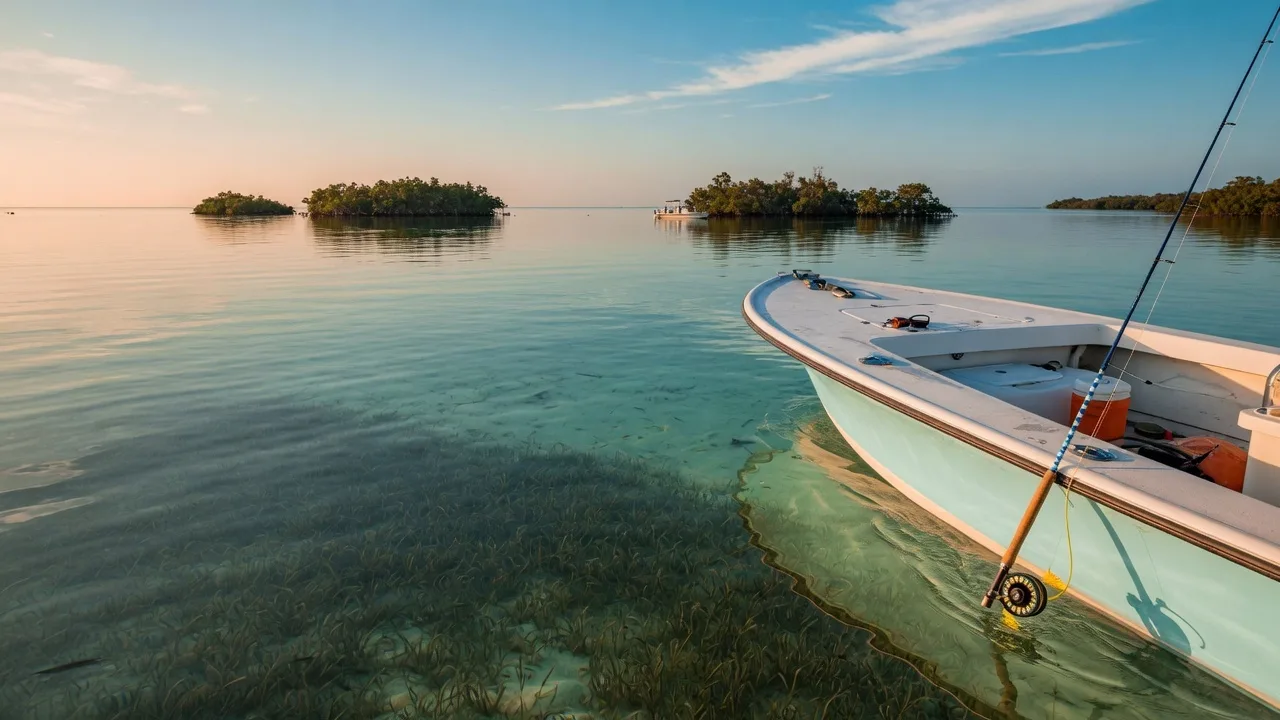
The Florida Keys offer some of the best fishing in North America. From the shallow grass flats of Islamorada to the deep blue water off Key Largo and Marathon, the fishing in the Florida Keys spans every style, skill level, and target species. Whether you are sightcasting to bonefish in two feet of water or trolling for mahi-mahi 20 miles offshore, this guide covers where to go, what to target, and when to plan your trip. For the best local overview of charters and fishing conditions, the Florida Keys tourism fishing page is a helpful starting point.
The Three Types of Keys Fishing
Fishing in the Florida Keys generally falls into three categories, each with its own gear, technique, and target species. Understanding the difference helps you choose the right charter, pack the right gear, and set realistic expectations for the day.
Flats Fishing (Inshore / Backcountry)
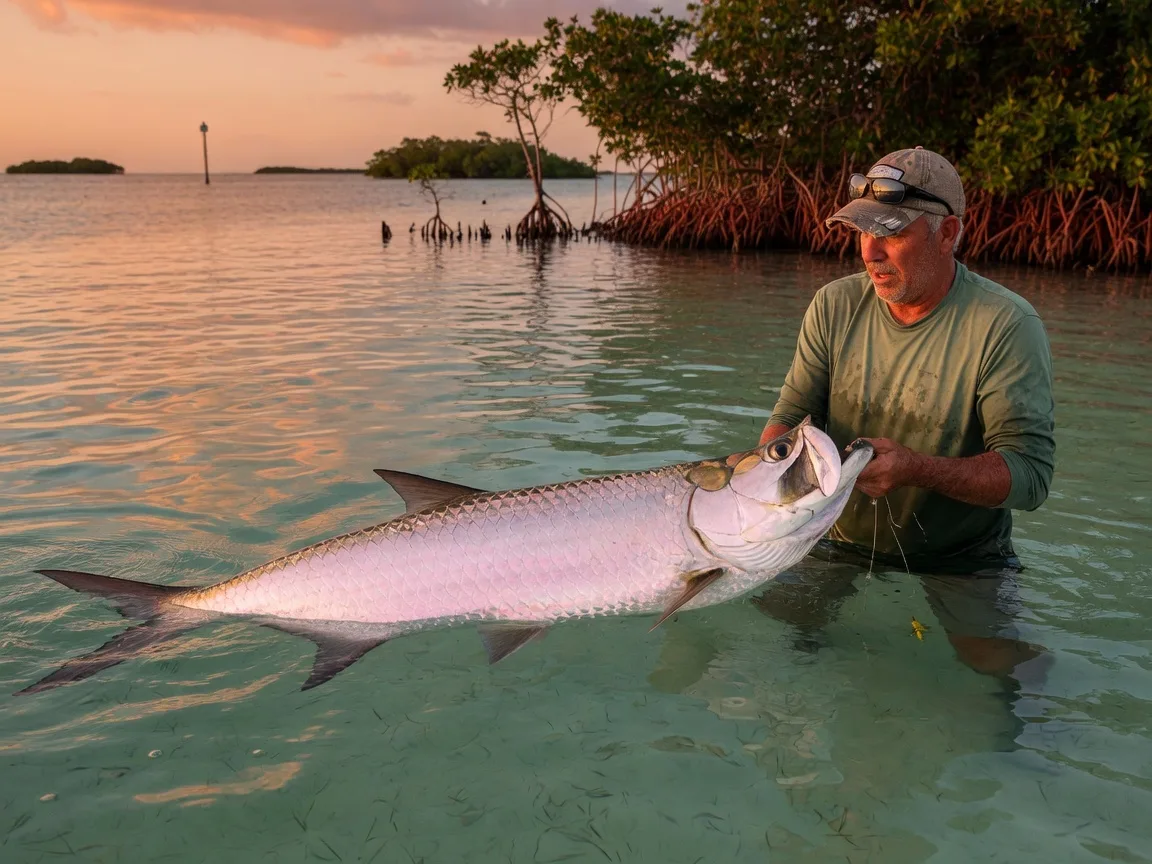
Flats fishing is what puts the Keys on the map for serious anglers. You fish in shallow water, typically one to four feet deep, over grass flats and sandbars. You sightcast to individual fish, spotting them by their wakes, tails, or shadows on the bottom. The main targets are bonefish, permit, and redfish, with tarpon and snook in the backcountry channels and mangrove shorelines.
Islamorada is the epicenter of flats fishing in the Keys. The backcountry on the Gulf side of Upper Matecumbe Key and Lower Matecumbe Key offers miles of protected flats that hold fish year-round. Flats fishing is best in the cooler months, but tarpon season on the flats runs April through June and draws anglers from around the world.
Reef and Wreck Fishing
The Florida Reef Tract runs parallel to the Keys, and the reef fishing here is some of the most productive in the continental United States. You fish in 20 to 120 feet of water over coral heads, ledges, and artificial wrecks. Yellowtail snapper, mangrove snapper, grouper, hogfish, and mutton snapper are the primary targets. Yellowtail snapper are the most commonly caught reef fish in the Keys, valued for their firm white flesh and mild flavor. Mangrove snapper (also called gray snapper) are found around structure and bridges, and the Seven Mile Bridge near Marathon is a prime spot. Grouper species include gag, red, black, and scamp, with the best season from May through December. Hogfish, with their distinctive elongated dorsal fin, are a prized catch found on shallow patch reefs in 10 to 30 feet of water. Mutton snapper run larger than yellowtail and are most active at dawn and dusk.
Key Largo's John Pennekamp Coral Reef State Park protects a large section of the reef and provides some of the most consistent reef fishing in the Upper Keys. Marathon also has excellent reef fishing access, particularly around the wrecks and ledges off the Middle Keys. Artificial wrecks like the Thunderbolt off Marathon and the Eagle off Key Largo create productive structure that holds both baitfish and predator species year-round. Reef fishing is productive year-round, with summer months producing the best yellowtail action. For more on boating to these locations, see our boating lifestyle guide.
Offshore Fishing (Deep Sea)
Offshore fishing means running 10 to 30 miles out to the Gulf Stream where the water turns deep blue. This is where you find the big pelagic species: sailfish, mahi-mahi (also known as dorado), wahoo, blackfin tuna, and marlin. Sailfish are the most prized game fish in the Keys, with the winter run from December through March producing the highest catch rates. Mahi-mahi are the most common summer pelagic, with fish averaging 10 to 30 pounds and larger bulls reaching 50 pounds. Wahoo, known for their lightning-fast strikes and excellent table fare, are caught year-round with peaks in spring and fall. Blackfin tuna, the smallest of the tuna species, are abundant in summer and provide fast-paced action on light tackle. Blue marlin are present in Keys waters year-round, with peak season from June through September. Trolling with artificial lures or natural baits is the standard technique, and most offshore charters use a spread of four to six lines at varying depths.
Marathon's location in the Middle Keys gives it a strategic advantage for offshore fishing, with shorter runs to the Gulf Stream than the Upper Keys. Key Largo also has excellent offshore access. Winter months (December through March) are prime for sailfish, while summer delivers consistent mahi-mahi and blackfin tuna action.
Best Fishing by Location
Islamorada: The Sportfishing Capital of the World
Islamorada's reputation as the sportfishing capital is earned. The village spans several islands, including Upper Matecumbe Key, Lower Matecumbe Key, and Windley Key, each providing access to different fishing environments. Robbie's Marina at Mile Marker 77.5 is a hub for charter fishing, with dozens of licensed captains offering flats, reef, and offshore trips.
The backcountry flats on the bayside of Islamorada are legendary for bonefish and permit. The Atlantic side offers quick access to the reef and deep water. If you are planning a fishing trip to Islamorada, booking through a reputable charter service gives you the best chance of a productive day. Learn more about the area in our Islamorada community guide.
Key Largo: Reef Fishing and Diving Capital
Key Largo is the gateway to the Keys and the center of reef fishing in the Upper Keys. John Pennekamp Coral Reef State Park and the Florida Keys National Marine Sanctuary protect the reef tract here, and the fishing is outstanding year-round. Yellowtail snapper, mangrove snapper, and grouper are the primary reef targets. Key Largo also has excellent inshore fishing in Florida Bay and Blackwater Sound for redfish, snook, and tarpon.
Offshore charters from Key Largo target sailfish, mahi-mahi, and wahoo. The run to the Gulf Stream is about 15 to 20 miles, which is manageable for a full-day trip. See our Key Largo community guide for more on what this area offers.
Marathon: The Middle Keys Fishing Hub
Marathon sits at the heart of the Keys and offers the most diverse fishing access of any Keys community. The Old Seven Mile Bridge is one of the most famous fishing spots in Florida, with tarpon, snapper, cobia, and barracuda holding around the bridge pilings. Sombrero Reef off Marathon provides excellent reef fishing, and the Gulf Stream is within reach for offshore trips.
Marathon's central location means you can fish the Atlantic in the morning and Florida Bay in the afternoon. The Marathon charter fleet is large, and competition keeps prices fair. Explore the area in our Marathon community guide.
Seasonal Fishing Calendar
One of the best things about fishing in the Florida Keys is that something is always biting. Here is a month-by-month breakdown of what to target and where.
January through March is prime sailfish season. The winter months bring cooler water and the annual sailfish run along the reef edge. Offshore charters from Key Largo and Marathon target sailfish consistently. Bottom fishing for grouper and snapper is also good during these months.
April through June is tarpon season. The silver kings migrate through the Keys, and the flats fishing in Islamorada reaches its peak. This is the most popular time of year for visiting anglers. Permit and bonefish are also active on the flats. The weather is mild, and the water is clear.
July through September is mahi-mahi and blackfin tuna season. Summer heat pushes the water temperature up, and the pelagic species move closer to shore. Reef fishing for yellowtail snapper is excellent. Afternoon thunderstorms are common, so morning charters are the safest bet.
October through December is transition season. The weather cools, the crowds thin, and the fishing remains productive. Redfish and snook action picks up in the backcountry. Sailfish start to return by late November. This is a great time for anglers who prefer fewer boats on the water and comfortable temperatures.
Fishing Licenses and Regulations
Anyone fishing in Florida saltwater needs a Florida saltwater fishing license unless they are fishing from a licensed charter boat or from a pier with a blanket license. Non-resident licenses are available for three days, seven days, or one year. The Florida Fish and Wildlife Conservation Commission (FWC) website has current fees, regulations, and species-specific size and bag limits.
The FWC also sets seasonal closures and harvest limits for certain species. Grouper and snapper seasons vary by species and zone, so check current regulations before your trip. Reef fishing in federal waters (beyond three nautical miles) may have different rules than state waters. Your charter captain will handle licensing and regulations for you on a guided trip, which is one of the reasons booking a charter is recommended for visiting anglers.
For a complete breakdown of the waterways, boat ramps, and fishing access points across every Keys community, our Florida Keys interactive map is a useful resource.
Choosing a Charter in the Keys
Booking a charter is the best way to experience fishing in the Keys, especially if you are visiting for a short time. Licensed captains know where the fish are holding, they have the right gear, and they handle all the logistics. Here is what to consider when booking.
Flats charters typically run half-day (four to five hours) and cost $500 to $800. These trips are best for anglers who want to sightcast for bonefish, permit, or tarpon. Reef and wreck charters run half-day or full-day and cost $600 to $1,200 depending on the distance and boat size. Offshore charters run full-day (eight to ten hours) and cost $1,200 to $2,000, with larger boats handling up to six anglers.
Most Keys charter boats provide rods, reels, bait, and tackle. Some also clean and bag your catch. Tips for the crew typically run 15 to 20 percent of the charter fee. Book well in advance during peak seasons, especially tarpon season in April through June.
Tips for a Successful Keys Fishing Trip
The Keys sun is intense. Bring polarized sunglasses for sightcasting on the flats, a wide-brimmed hat, SPF 50 sunscreen, and plenty of water. Even on a half-day charter, you will be exposed to direct sun and reflected glare off the water. A light long-sleeve fishing shirt is smart year-round. For reef fishing, the same waters that hold yellowtail and grouper are also home to world-class diving opportunities. Check out our diving and snorkeling guide for the best spots to explore when the fishing slows down.
Listen to your captain. Keys charter captains have decades of local knowledge. If they suggest moving to a different spot or changing techniques, they have a reason. Trust their judgment, and you will have a better day on the water.
If you are considering a move to the Keys and waterfront living is part of your plan, access to world-class fishing is one of the greatest lifestyle benefits. Properties with private docks and deep-water access are available in every Keys community. Check out our buying guide for tips on finding the right Keys property, and feel free to reach out directly to discuss your waterfront goals.
Frequently Asked Questions
What is the best fishing in the Florida Keys?
The best fishing in the Florida Keys depends on what you want to catch. For flats fishing with bonefish, permit, and tarpon, Islamorada is unmatched. For reef fishing with yellowtail snapper and grouper, Key Largo and Marathon are excellent choices. For offshore pelagic species like sailfish, mahi-mahi, and tuna, the Gulf Stream is accessible from both Key Largo and Marathon. Each community offers a different strength, and many anglers combine multiple types of fishing in a single trip.
Do I need a license to fish in the Florida Keys?
Yes, anyone fishing in Florida saltwater needs a Florida saltwater fishing license unless they are fishing from a licensed charter boat or a pier with a blanket license. Non-resident licenses are available for three days, seven days, or one year. You can purchase a license online through the Florida Fish and Wildlife Conservation Commission website. Your charter captain will cover licensing if you book a guided trip.
When is tarpon season in the Florida Keys?
Tarpon season in the Florida Keys runs from April through June, with the peak typically in May. The silver kings migrate through the Keys during this period, and the flats fishing in Islamorada reaches its highest level of the year. Some tarpon fishing continues through the summer and into early fall along the bridges and deeper channels. Winter tarpon fishing is less reliable but possible in certain backcountry areas.
How much does a fishing charter cost in the Florida Keys?
Flats charters typically cost $500 to $800 for a half-day trip. Reef and wreck charters range from $600 to $1,200 for a half-day to full-day. Offshore charters for pelagic species cost $1,200 to $2,000 for a full-day trip. Prices vary by boat size, distance traveled, and number of anglers. Most charters include rods, reels, bait, and tackle. Tips for the crew typically run 15 to 20 percent of the charter fee.
What is the best month for fishing in the Florida Keys?
There is no single best month because the fishing changes with the seasons. May is outstanding for tarpon on the flats. January through March is prime sailfish season. July through September delivers the best mahi-mahi and yellowtail snapper action. October and November offer excellent backcountry fishing with fewer crowds. For year-round variety, April and May are hard to beat because tarpon, bonefish, permit, and offshore species are all available during the same window.
Helpful Resources & Related Guides
Internal Resources
- Islamorada Community Guide — The sportfishing capital of the world
- Key Largo Community Guide — Reef fishing and offshore access in the Upper Keys
- Marathon Community Guide — The Middle Keys fishing hub with diverse access
- Waterfront Living in the Florida Keys — Canals, docks, and open-water access for anglers
- Florida Keys Lobster Mini Season 2026 — Dates, rules, and tips for a successful catch
- Florida Keys Buying Guide — Find the right waterfront property for your fishing lifestyle
- Contact Steve Conley — Get in touch about Keys real estate
External Resources
- Florida Realtors — Official professional association for Florida real estate professionals
- FWC Saltwater Fishing — Florida fishing licenses, regulations, and species information
- Zillow — Browse Florida Keys real estate listings
- Realtor.com — Search homes for sale in the Florida Keys
- National Association of Realtors — National real estate industry standards and resources

Steve Conley
Principal, Conley Sales Group at COMPASS · License #3232648
Thinking About Buying or Selling in the Florida Keys?
Whether you're buying your first waterfront home, selling a luxury property, or simply want to know what your home is worth, I'm here to help. As a local Compass REALTOR, I provide expert guidance, market insights, and personalized advice throughout the Florida Keys.