
Best Diving and Snorkeling in the Florida Keys: Spots for Every Skill Level
Key Takeaways
- The Florida Keys offer world-class diving and snorkeling for all skill levels, from beginner-friendly reefs to advanced drift dives.
- John Pennekamp Coral Reef State Park in Key Largo is the ideal starting point for beginners with calm, shallow waters and guided tours.
- Looe Key Reef near Big Pine Key offers advanced diving with strong currents and some of the most biodiverse marine life in the Keys.
- The Christ of the Abyss statue at Dry Rocks Reef is a must-visit underwater landmark accessible to intermediate snorkelers and divers.
- Always dive with a certified guide and respect marine conservation rules to help preserve the reef for future generations.
The Florida Keys are home to the only living coral reef system in the continental United States, making it one of the best diving and snorkeling destinations in the world. Whether you are a first-time snorkeler or an experienced diver, the Keys offer crystal-clear waters, vibrant marine life, and underwater landscapes you will not find anywhere else. The 125-mile-long reef tract runs from Key Largo through Islamorada, past Marathon, and down to Key West, giving visitors and residents an almost unlimited range of dive sites to explore. This guide breaks down the best spots by skill level so you can plan your underwater adventure with confidence.
Best Spots for Beginners
If you are new to snorkeling or scuba diving, the Florida Keys have some of the most accessible and forgiving entry-level sites in the Caribbean basin. Shallow water, minimal current, and professional guides make these spots ideal for building confidence underwater.
John Pennekamp Coral Reef State Park (Key Largo)
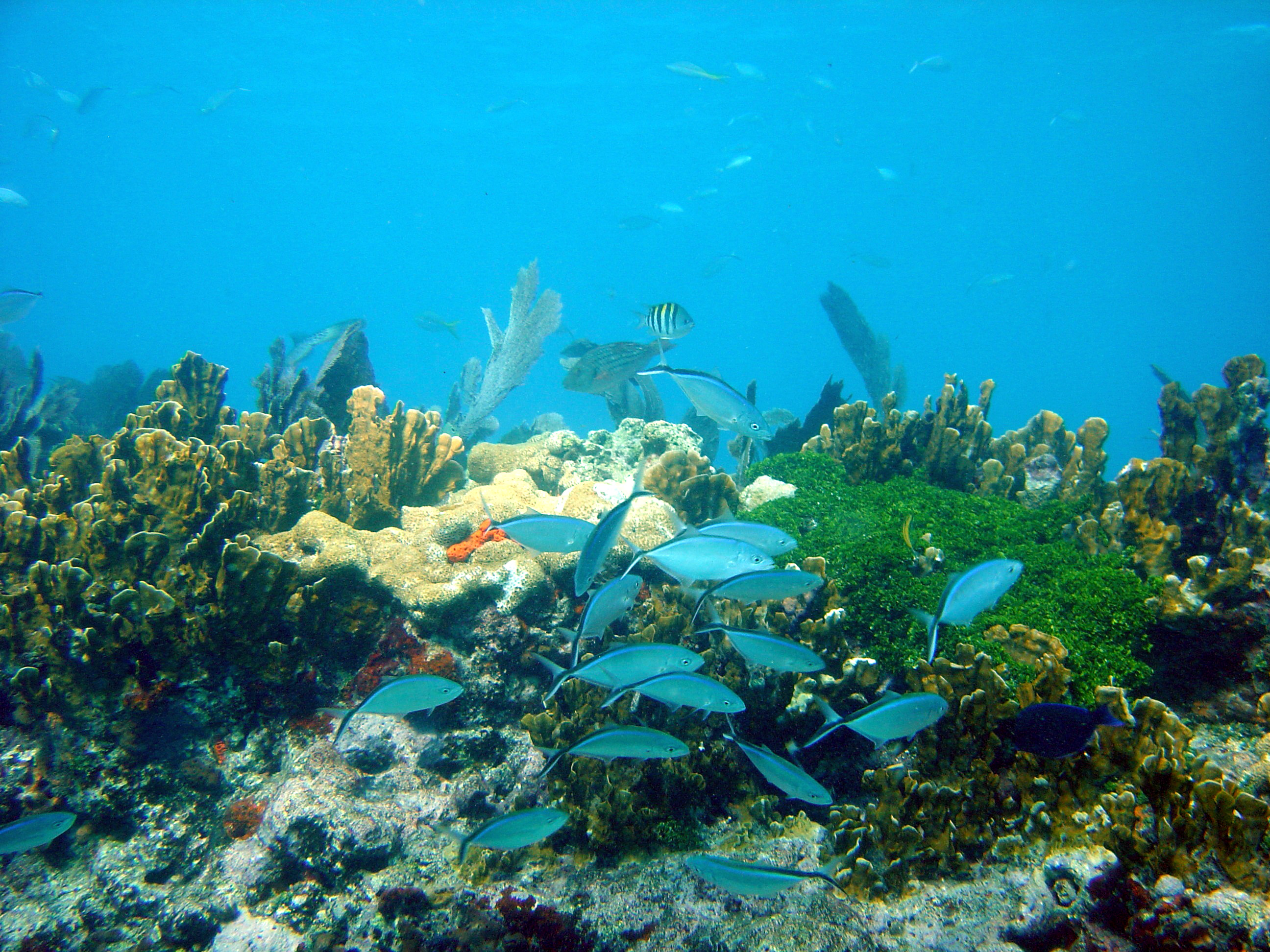
John Pennekamp Coral Reef State Park at Mile Marker 102.5 was the first undersea park in the United States, established in 1963. The park covers approximately 70 nautical square miles of coral reefs, seagrass beds, and mangrove swamps. The snorkeling and diving here are defined by calm, shallow waters with easy access to colorful coral and tropical fish. The park runs daily guided snorkel tours to the offshore reef sites, and the visitor center has gear rentals, an aquarium with live coral exhibits, and educational displays about the reef ecosystem. Cannon Beach inside the park offers shore-access snorkeling for those who prefer to stay close to land. Arrive early during summer months, as the park frequently reaches capacity by late morning. The Key Largo community guide has more on planning your visit to this area.
August 2026 Visitor Alert
Major facility renovations are underway at John Pennekamp. Limited boat trailer parking is available. The launch ramp is closed. Check with the visitor center regarding temporary water advisories at Cannon Beach due to bacteria levels. Source: Florida State Parks.
Key Largo Dry Rocks
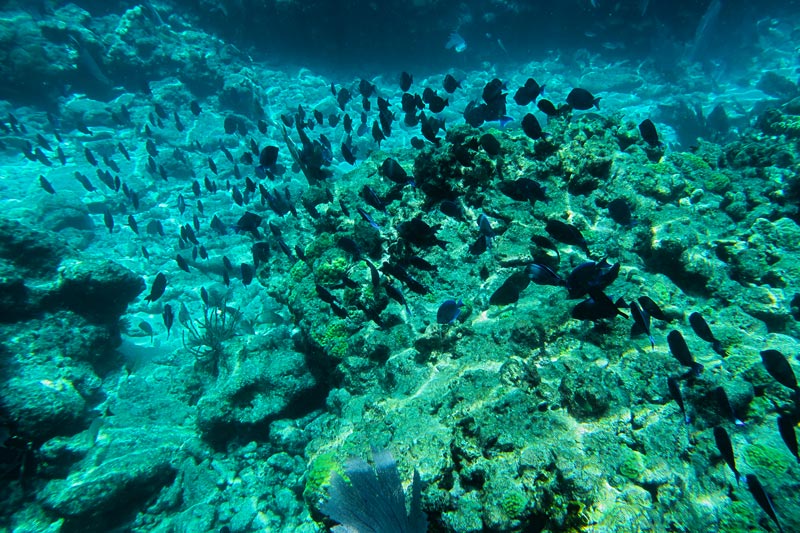
Key Largo Dry Rocks is a shallow reef system with visibility often exceeding 30 feet, making it ideal for snorkeling with minimal experience. The reef features a mix of brain coral, elkhorn coral, and sea fans spread across a sandy bottom. The site is accessible by guided boat tour from John Pennekamp State Park or local dive operators in Key Largo. The protected status of the reef means fishing and collecting are prohibited, so the marine life here is abundant and unafraid of swimmers.
Sombrero Reef (Marathon)
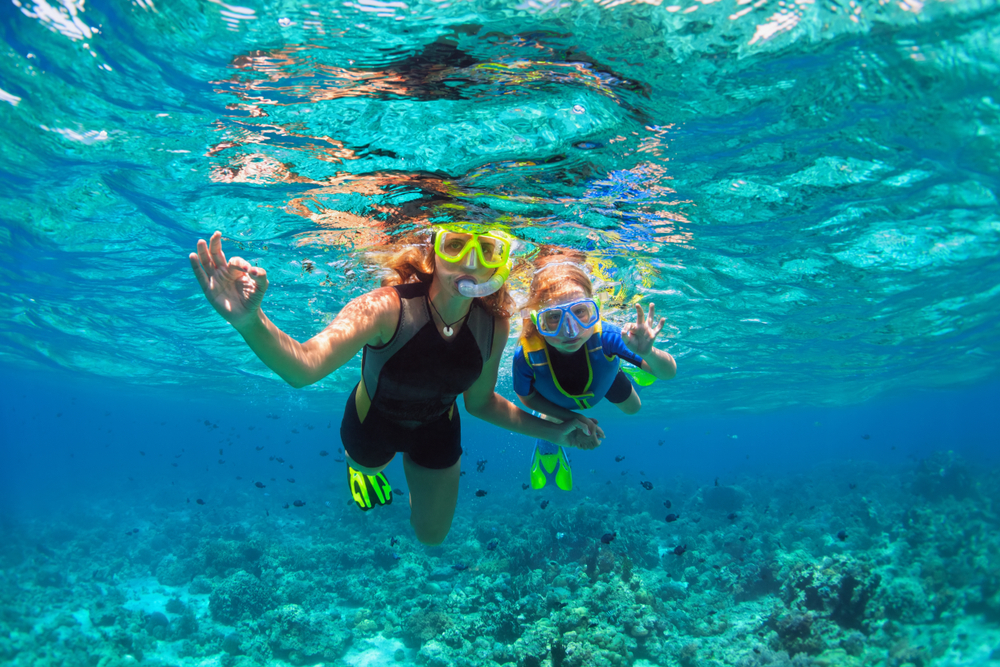
Sombrero Reef in Marathon is one of the most popular beginner-friendly snorkeling sites in the Middle Keys. The reef features a well-marked snorkeling trail with buoys guiding you through the coral formations. Easy entry and exit from designated platforms make this a favorite for families and first-timers. The horseshoe-shaped coral formation rises from 30 feet deep to within 5 feet of the surface, and the shallow sections are packed with tropical fish, including grunt, snapper, and goatfish. Sombrero Reef is accessible by charter boat from Marathon.
Best Spots for Intermediate Divers
Once you have some experience and basic certification, the Florida Keys open up to a wider range of dive sites with deeper reefs, swim-through channels, and iconic underwater landmarks. These sites are suitable for Open Water certified divers and confident snorkelers.
Christ of the Abyss (Key Largo)
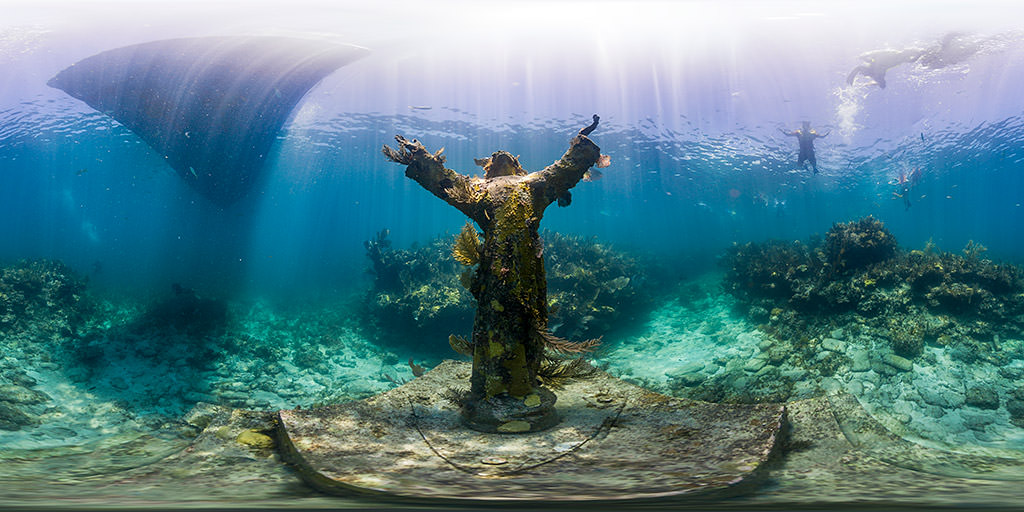
The Christ of the Abyss statue at Dry Rocks Reef is one of the most photographed underwater landmarks in North America. The 9-foot bronze statue of Jesus Christ with arms raised was placed at Dry Rocks Reef in 1965 as a gift from Italian dive equipment manufacturer Egidio Cressi. The statue sits approximately 25 feet below the surface, making it accessible to intermediate snorkelers and divers. On calm days with good visibility, snorkelers can see the full statue from the surface. For the best experience, divers can descend to the sandy bottom for a closer view surrounded by colorful coral formations. This site is accessed by boat from John Pennekamp State Park or local dive shops in Key Largo.
French Reef (Key Largo)
French Reef is known for its underwater caverns and swim-through channels cut through the spur-and-groove coral formations. These channels are home to lobsters, moray eels, and occasional nurse sharks. The reef ranges from 15 to 45 feet deep, making it well suited for intermediate divers who want to explore beyond a flat reef. The caverns are shallow enough that natural light penetrates all the way through, creating beautiful lighting conditions for underwater photography.
Molasses Reef (Key Largo)
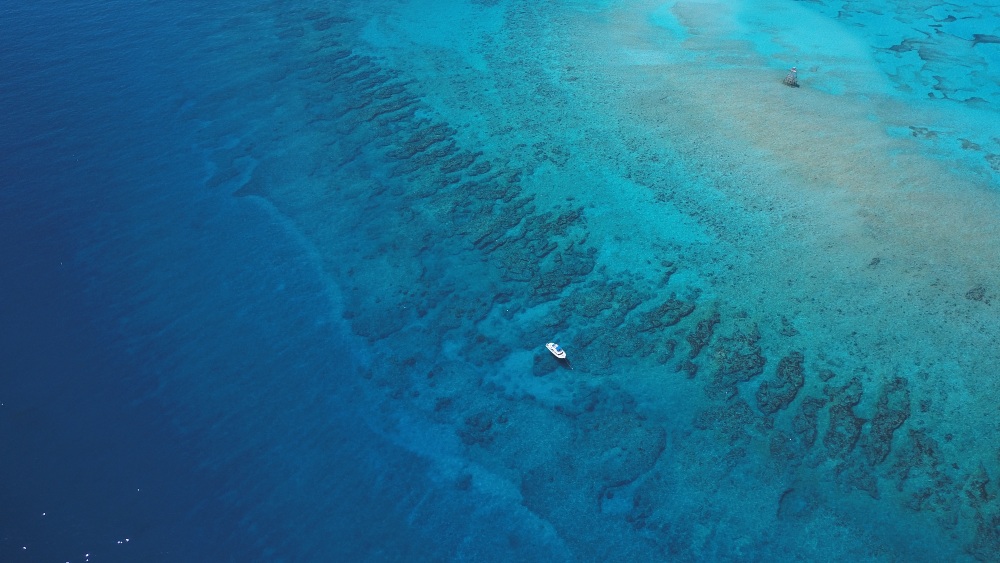
Molasses Reef is one of the most visited dive sites in the world, and it lives up to the reputation. Named for the wreck of the Slobodna, a ship that sank in 1887 carrying a cargo of molasses, the reef features a diverse ecosystem of elkhorn coral, brain coral, and sea fans spread across a shallow plateau. Molasses Reef offers a mix of coral heads, sea fans, and abundant marine life including sea turtles and nurse sharks. The reef ranges from 15 to 50 feet deep, accommodating both snorkelers and divers. Huge schools of grunt, gray snapper, and blue tang are seasonal residents.
Best Spots for Advanced Divers
Experienced divers comfortable with currents, deeper depths, and more challenging conditions will find world-class dive sites across the Lower Keys. These sites reward advanced training with spectacular marine life and pristine reef conditions.
Looe Key Reef (Big Pine Key)
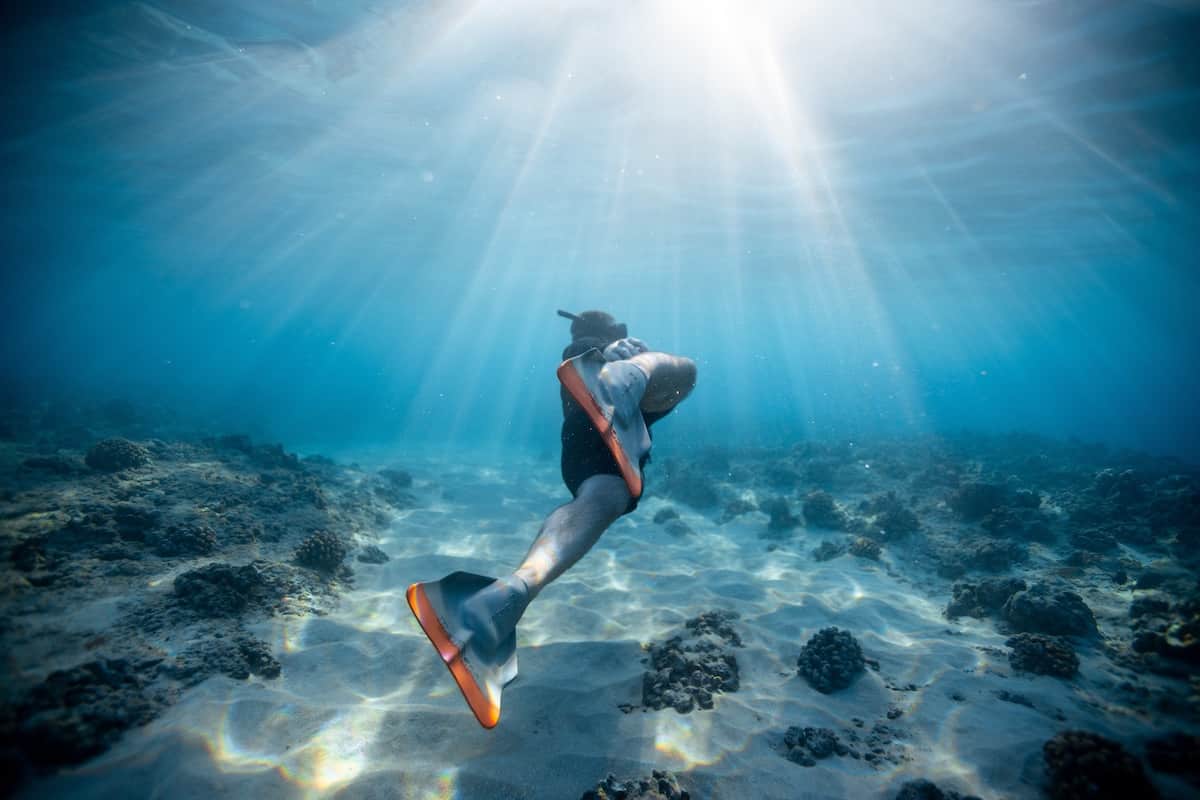
Looe Key Reef, located about eight nautical miles southwest of Bahia Honda State Park near Big Pine Key, is one of the most biodiverse reefs in the Florida Keys. The reef is a spur-and-groove system with deep sandy canyons cutting through towering coral formations. Strong currents sweep through the canyons, making this site best for experienced divers comfortable in open water. The site was designated a Sanctuary Preservation Area in 1997, prohibiting fishing and collecting. The marine life here is extraordinary: eagle rays, sea turtles, barracuda, and large schools of jacks and tarpon are common. Looe Key ranges from 10 to 60 feet deep. Access is by charter boat from Marathon or Big Pine Key. Visit the Big Pine Key community guide for more on this area of the Lower Keys.
Dry Tortugas National Park (Key West)
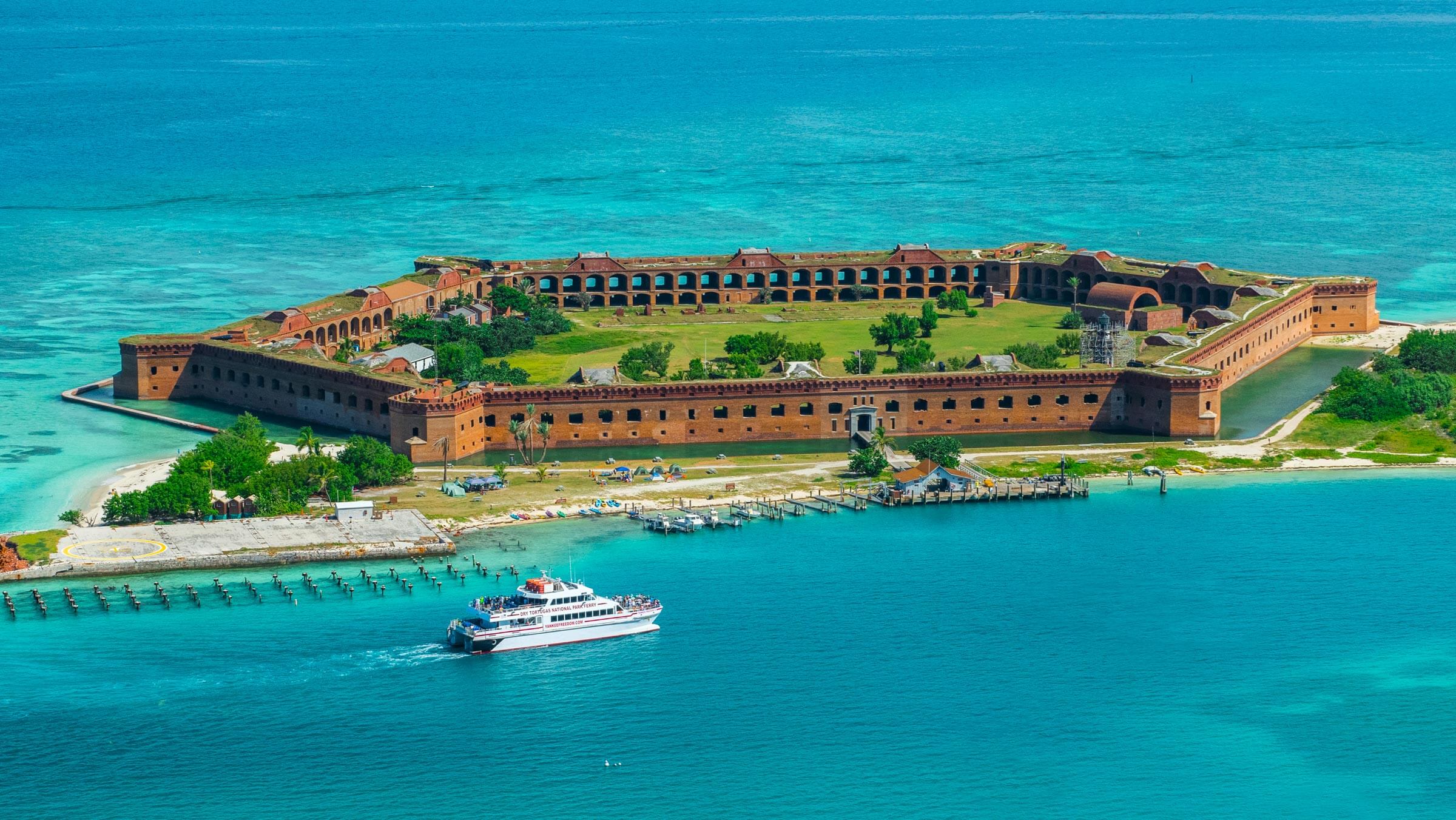
Dry Tortugas National Park, located 70 miles west of Key West, offers some of the most remote and pristine diving in the continental United States. Accessible only by boat or seaplane, the park features exceptional visibility often exceeding 80 feet, vibrant coral formations, and abundant marine life that has been protected for decades. The park is home to Fort Jefferson, a historic 19th-century fort that adds a unique backdrop to the experience. The trip requires planning and a full day commitment, but the diving conditions here are unmatched anywhere else in the Keys.
What to Bring
Packing the right gear makes the difference between a good day on the water and a great one. Here is what you should bring for a day of diving or snorkeling in the Florida Keys:
- Mask, snorkel, and fins (or rent locally from any licensed dive shop)
- Reef-safe sunscreen without oxybenzone or octinoxate, which are banned in the Keys
- Underwater camera for capturing the marine life and coral formations
- Dive flag (required when snorkeling from shore or a private vessel)
- Water shoes for rocky entries at sites like Bahia Honda and Sombrero Beach
Tips from a Local
After 30 years in the Florida Keys, I have learned a few things about getting the most out of a day on the water. Here are my top tips for diving and snorkeling in the Keys:
- Go early in the morning for the calmest waters and best visibility. The wind picks up by late morning, and afternoon thunderstorms are common in summer.
- Never touch or stand on coral. It is a living organism protected by federal and state law, and a single fin kick can break coral formations that took decades to grow. For a full rundown on the best fishing spots near these reef sites, read our complete fishing guide.
- Bring a mesh bag if you plan to lobster during your dive. The Florida Keys lobster mini season guide has the regulations and best practices for a successful catch.
- Book a guided tour if you are unfamiliar with the area. Local captains know the reef conditions daily and can match you to the best site for the weather and your experience level. For what else is happening around the Keys on any given weekend, check out our latest Keys weekend guide.
- Check conditions before heading out. Wind and currents change quickly in the Keys, and the Florida Keys National Marine Sanctuary website publishes daily conditions for the major reef sites.
Where to Book
Several dive shops operate throughout the Florida Keys, offering guided trips for every skill level. Rainbow Reef Dive Center in Key Largo is one of the most established operators, running daily trips to Molasses Reef, the Christ of the Abyss, and the Spiegel Grove. In Islamorada, Key Dives and Florida Keys Dive Center serve Alligator Reef, Hen and Chickens, and Cheeca Rocks. In Marathon, Tilden's Scuba Center and Captain Hook's Marathon offer trips to Sombrero Reef and Looe Key. Most operators provide all necessary equipment, including masks, fins, tanks, and wetsuits. Some also offer certification courses from open water through advanced levels. Always verify that the operator is licensed and insured. The Florida Keys National Marine Sanctuary provides full guidelines for responsible diving and conservation programs. For additional trip planning resources, the Florida Keys tourism water activities page lists certified operators across the island chain.
Reef Etiquette and Conservation
The Florida Keys coral reef is a fragile ecosystem that has experienced significant stress from climate change, disease, and physical damage. Every visitor plays a role in protecting it. Use reef-safe sunscreen and avoid sunscreens containing oxybenzone and octinoxate, which are banned in the Keys because they harm coral larvae. Follow all Sanctuary Preservation Area rules: in SPAs, fishing and collecting marine life are prohibited. Respect buoy lines and mooring balls designed to prevent anchor damage. If you see marine debris, consider collecting it if it is safe to do so. The reef system that makes the Keys such a special place to live and visit depends on everyone doing their part.
Reef Health Advisory
Divers and snorkelers should be aware of ongoing environmental challenges facing the Florida Keys reef system. Record-breaking summer water temperatures in recent years have caused significant coral bleaching events. When visiting the reef, maintain careful buoyancy control to avoid touching or damaging heat-stressed coral colonies. Remember that it is illegal to feed fish or marine life in the Florida Keys National Marine Sanctuary. Source: Florida Keys National Marine Sanctuary.
If you are considering relocating to the Florida Keys to be closer to some of the best diving and snorkeling in the world, I would love to help you find the right property. Whether you want a canal home with dock access in Key Largo, a waterfront retreat in Islamorada, or a home near the reef in Marathon, I have the local market knowledge to guide you. Get in touch and let me know what you are looking for.
Frequently Asked Questions
What is the best time to snorkel in the Florida Keys?
The best time is early morning when waters are calm and visibility is highest. Summer months offer warm water temperatures in the mid-80s, ideal for extended snorkeling sessions. Winter months have cooler water in the low 70s, often requiring a wetsuit, but offer calmer surface conditions and fewer crowds.
Do I need a certification to dive in the Florida Keys?
Snorkeling does not require certification. Scuba diving at deeper reefs and wreck sites typically requires an Open Water certification or higher. Many dive shops offer introductory resort courses for first-time divers who want to try scuba in a controlled, shallow environment under direct supervision.
Are there guided diving tours in the Keys?
Yes. Numerous dive shops in Key Largo, Islamorada, and Marathon offer guided tours for all skill levels with equipment provided. Rainbow Reef Dive Center in Key Largo, Key Dives in Islamorada, and Tilden's Scuba Center in Marathon are established operators with experienced guides and well-maintained equipment.
Can I see sea turtles while snorkeling in the Keys?
Yes. Sea turtles are commonly spotted at Molasses Reef, Looe Key, and other popular dive sites throughout the Keys. Loggerhead, green, and hawksbill sea turtles are all residents of the Florida Keys reef system. The best chance of seeing them is early in the morning on the outer reefs.
Is the Christ of the Abyss suitable for beginners?
The statue sits at about 25 feet deep, making it accessible to confident snorkelers and beginner divers with basic skills. On calm days with good visibility, snorkelers can see the full statue from the surface. For the best experience, an intermediate snorkeler or Open Water certified diver can descend for a closer view.
Follow along for more Florida Keys diving and snorkeling content on Instagram and Facebook.
Helpful Resources & Related Guides
Internal Resources
- Key Largo Community Guide — Home to John Pennekamp State Park and world-class diving
- Big Pine Key Community Guide — Access to Looe Key Reef and advanced dive sites
- Complete Guide to Fishing in the Florida Keys — More water activities for your Keys adventure
- Florida Keys Lobster Mini Season 2026 — Combine your dive with lobster hunting
- Waterfront Living in the Florida Keys — Living steps from the best dive sites in the Keys
- Contact Steve Conley — Get in touch about Keys real estate
External Resources
- Florida Realtors — Official professional association for Florida real estate professionals
- Florida Keys National Marine Sanctuary — Conservation guidelines and reef information
- Florida Fish and Wildlife Conservation Commission — Marine life regulations and conservation resources
- Zillow — Browse Florida Keys real estate listings
- Realtor.com — Search homes for sale in the Florida Keys
- National Association of Realtors — National real estate industry standards and resources

Steve Conley
Principal, Conley Sales Group at COMPASS · License #3232648
Thinking About Buying or Selling in the Florida Keys?
Whether you're buying your first waterfront home, selling a luxury property, or simply want to know what your home is worth, I'm here to help. As a local Compass REALTOR, I provide expert guidance, market insights, and personalized advice throughout the Florida Keys.
We are committed to compliance with all federal, state, and local fair housing laws. We do not discriminate against any person because of race, color, religion, sex, national origin, familial status, or disability. Equal Housing Opportunity.